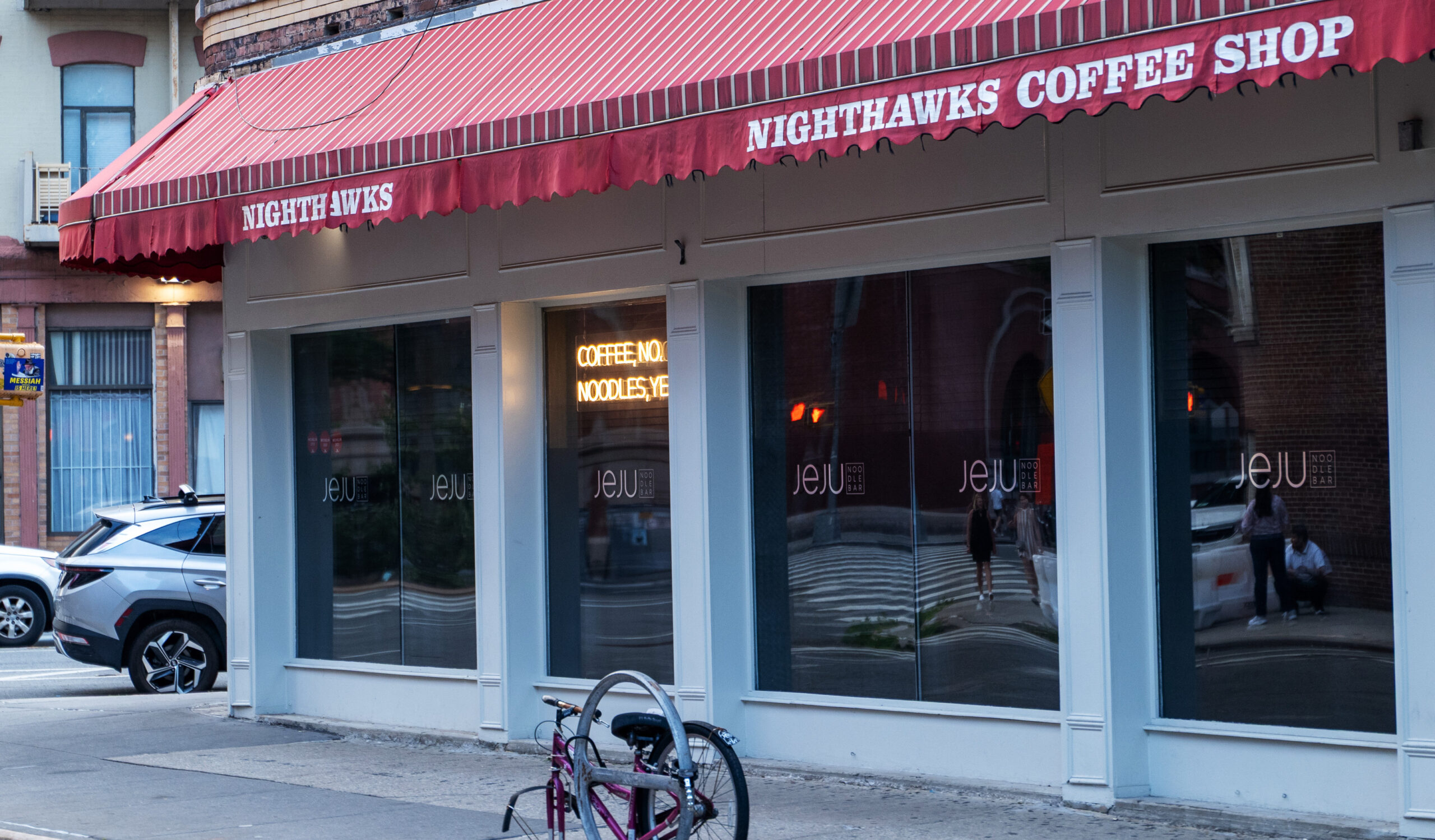
There’s a quote that goes, “It’s not what you say, but how you made them feel.” Colors are my emotions. If someone could speak without opening their mouth, it’s the colors. They can whisper, smile, scream, lull, irritate, terrify, disturb, numb, soothe, sing, and do anything and everything words can do — without as much as making a whisper. And when you spend a whole lifetime listening to colors, you sure can identify who your lifelong friends are. Some shades just seep into your soul, without even a knock on the door. Just like water under the door.
And when you spend a whole lifetime listening to colors, you sure can identify who your lifelong friends are. Some shades just seep into your soul, without even a knock on the door.
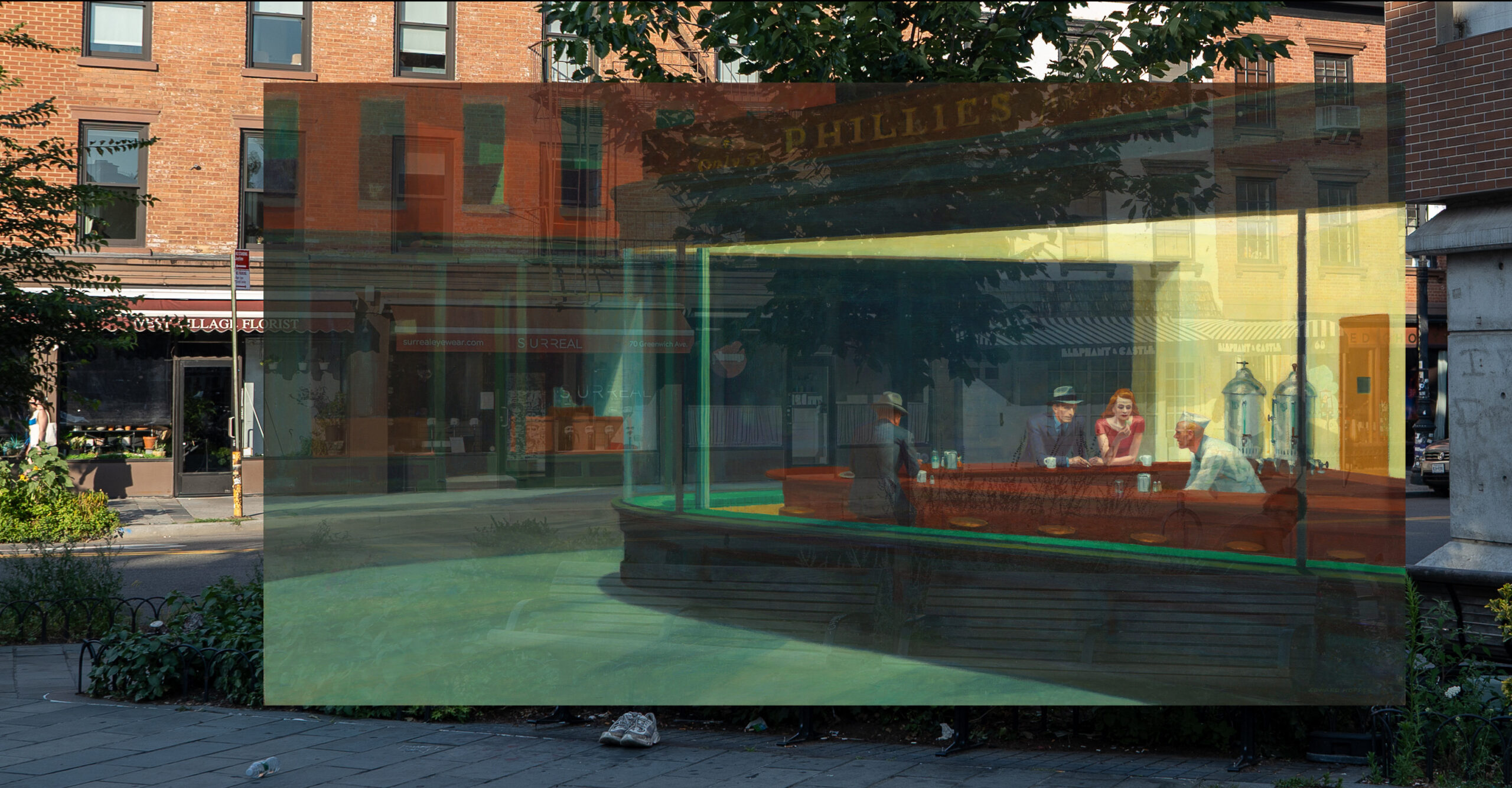
It also could be one of six other possible locations within a five-minute walk from there. You might be very, very certain it is Little Ruby’s on West 4th and 7th Avenue, once called “Riker’s Diner.” I love to think that it is this one, myself, so right are the dimensions and the background. Then there is the “missing triangle” across the street from West Village Florist, where the White Tower hamburger joint used to be — which a million would say is the inspiration and a million others would refute. The bartender’s uniform and the beverage containers’ design are 100 percent the same as depicted in the painting.
Then there is the West Village Florist’s shop itself. Not to mention Village Cigars. It is an amalgamation of all these, some say, along with some creative license on the part of Hopper that went into “Nighthawks.” But that’s the beauty. “It’s not what you said, but how you made them feel.” Scenes might change, but colors remain etched in memory. How New York made you feel, while not resisting the change that has been persistent. Unlike the dead cities “rich in history” in Europe, New York takes a shower every single day. Things helplessly change. Much like the characters in Fahrenheit 451 who memorize entire books to preserve what’s beautiful. While a kind of Big Brother is burning every book in sight to suppress freedom of thought, we all must walk, trample over very block, drink in every nook and corner of New York to spot and remember what made New York what it has always been: an ever-changing city with its endless inspiration being the only constant. New York is our mother. It keeps on giving. You might not find Meg Ryan, Billy Crystal, or Tom Hanks-led scenes in the Upper West Side, if you came looking for the old “When Harry Met Sally” and “You’ve Got Mail,” but you will surely find a hyperventilating jeweler in TikTok videos who might one day get shot for his freedom of speech, not too dissimilar from the recent “Uncut Gems.” Water keeps passing under the bridge. Yet the current keeps leaving its mark on the pillars that hold the bridge. The green of the moss on those pillars is our timeless emotion. How New York made us feel. What it says may be lost in commerce that keeps erasing and erecting everything around, but how it makes us feel is something that will speak through the works we create while we breathe New York. Mothers never die.
Below are several locations (some mentioned above) that seemed to speak to Hopper.
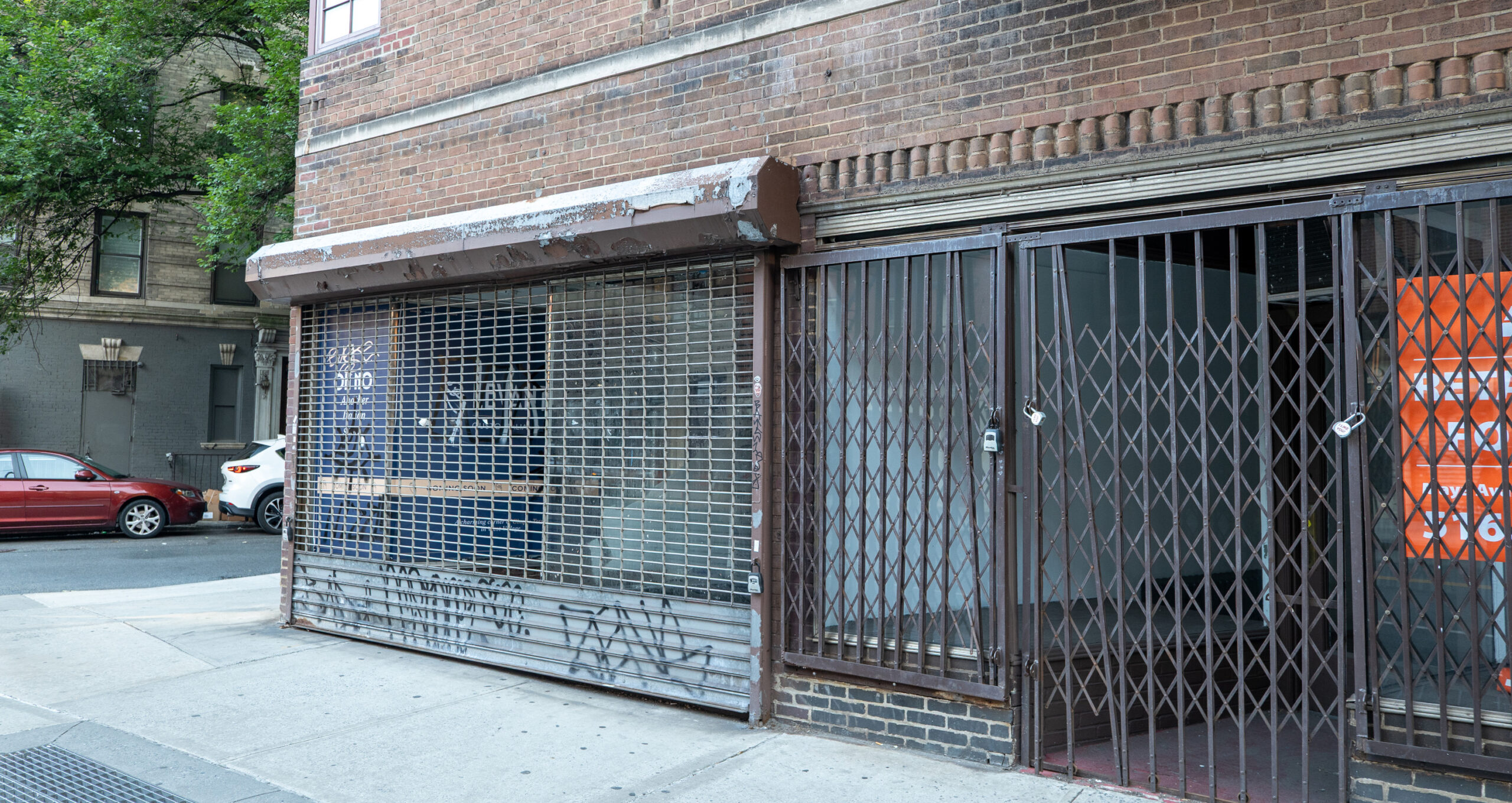
Poss-1 copy B
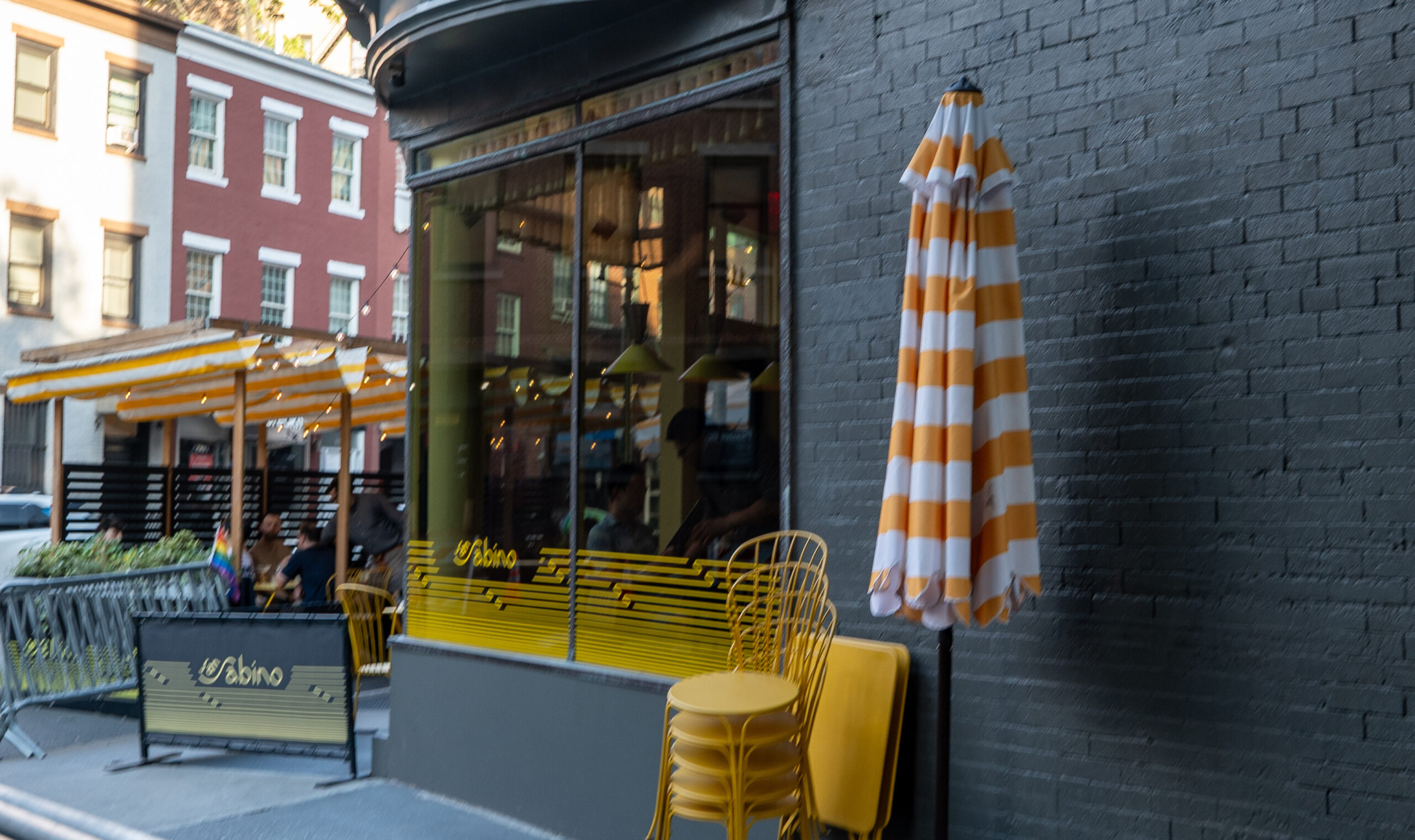
Poss-2 copy A
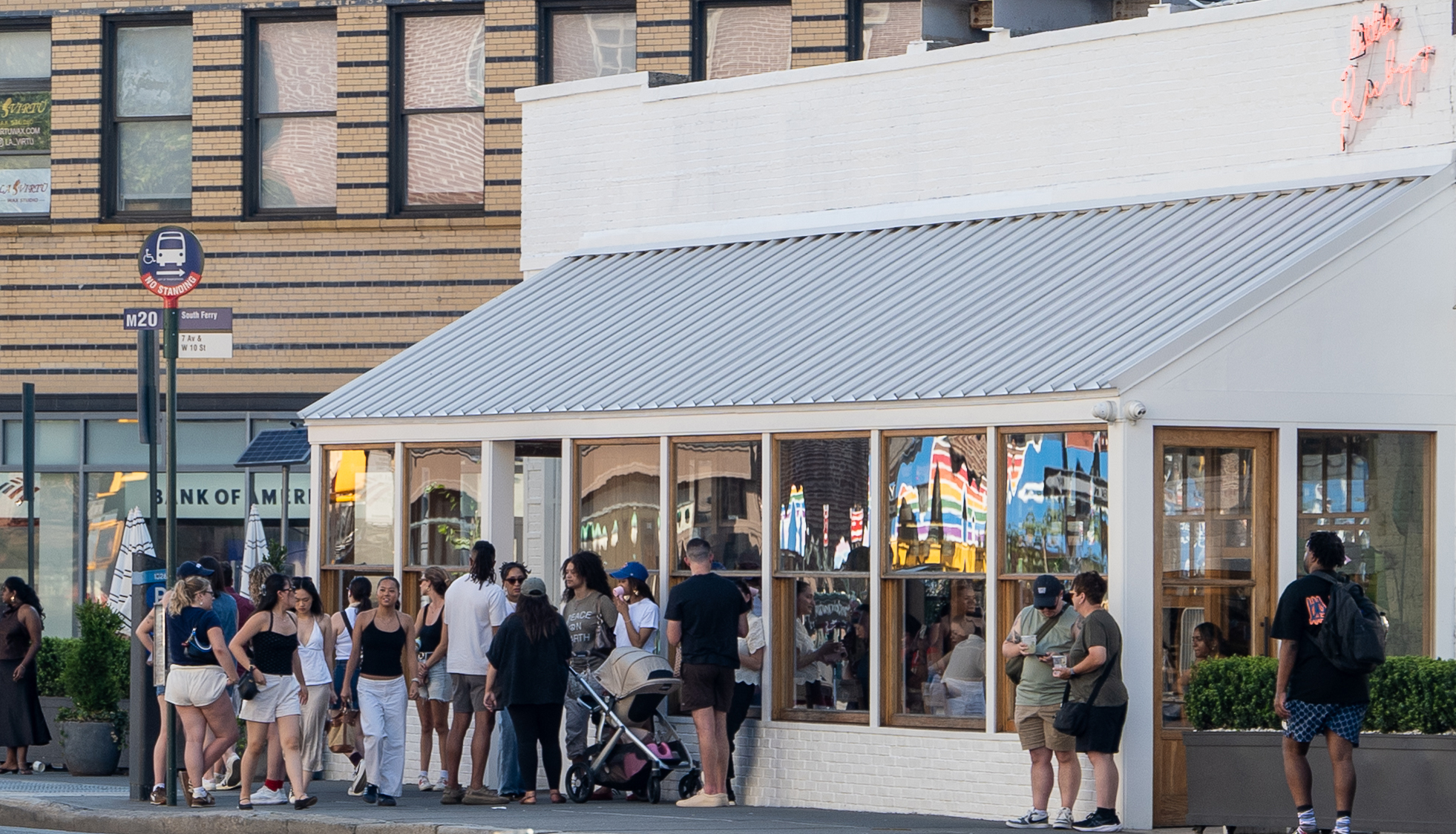
Poss-3 copy
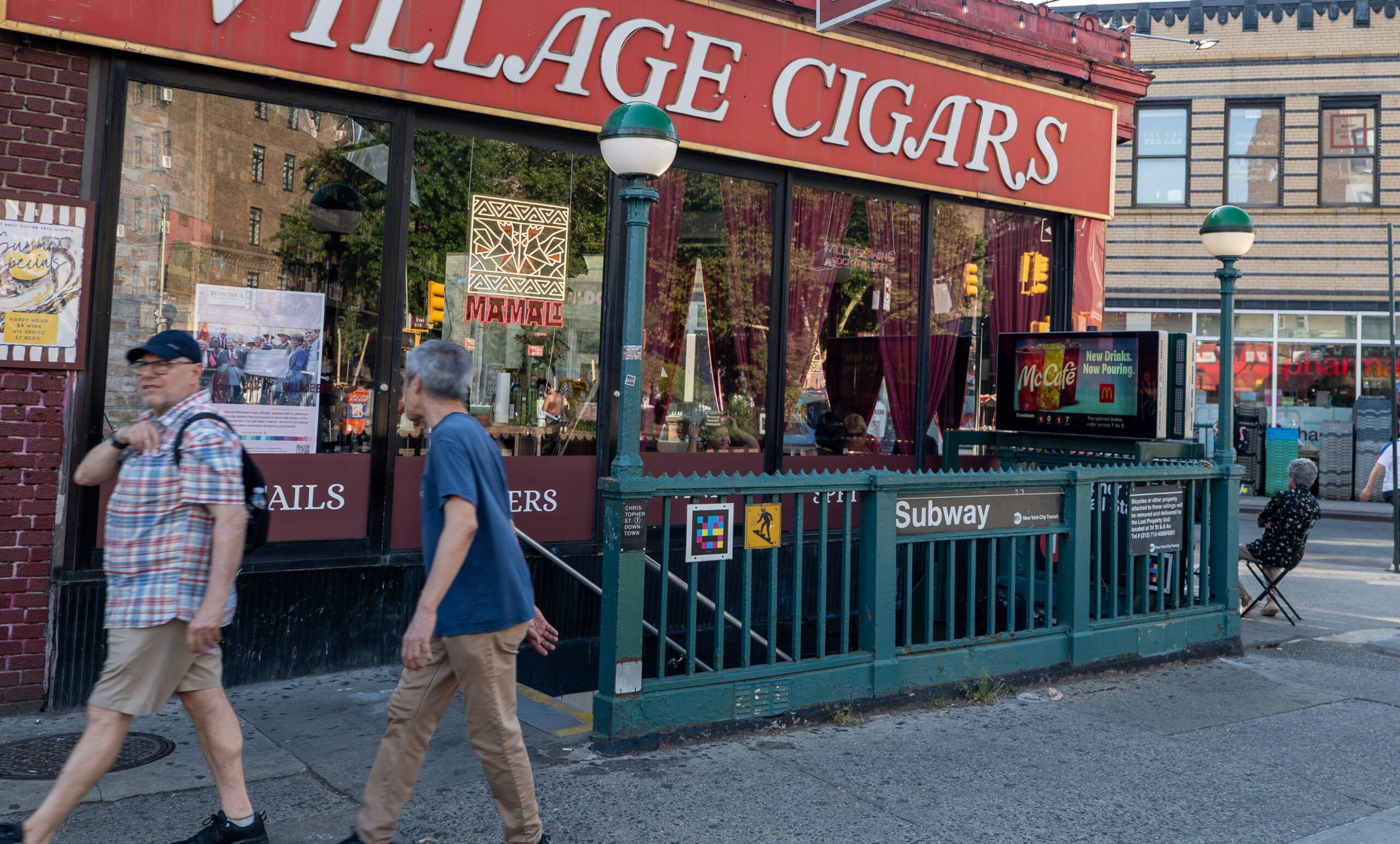
Poss-4 copy A
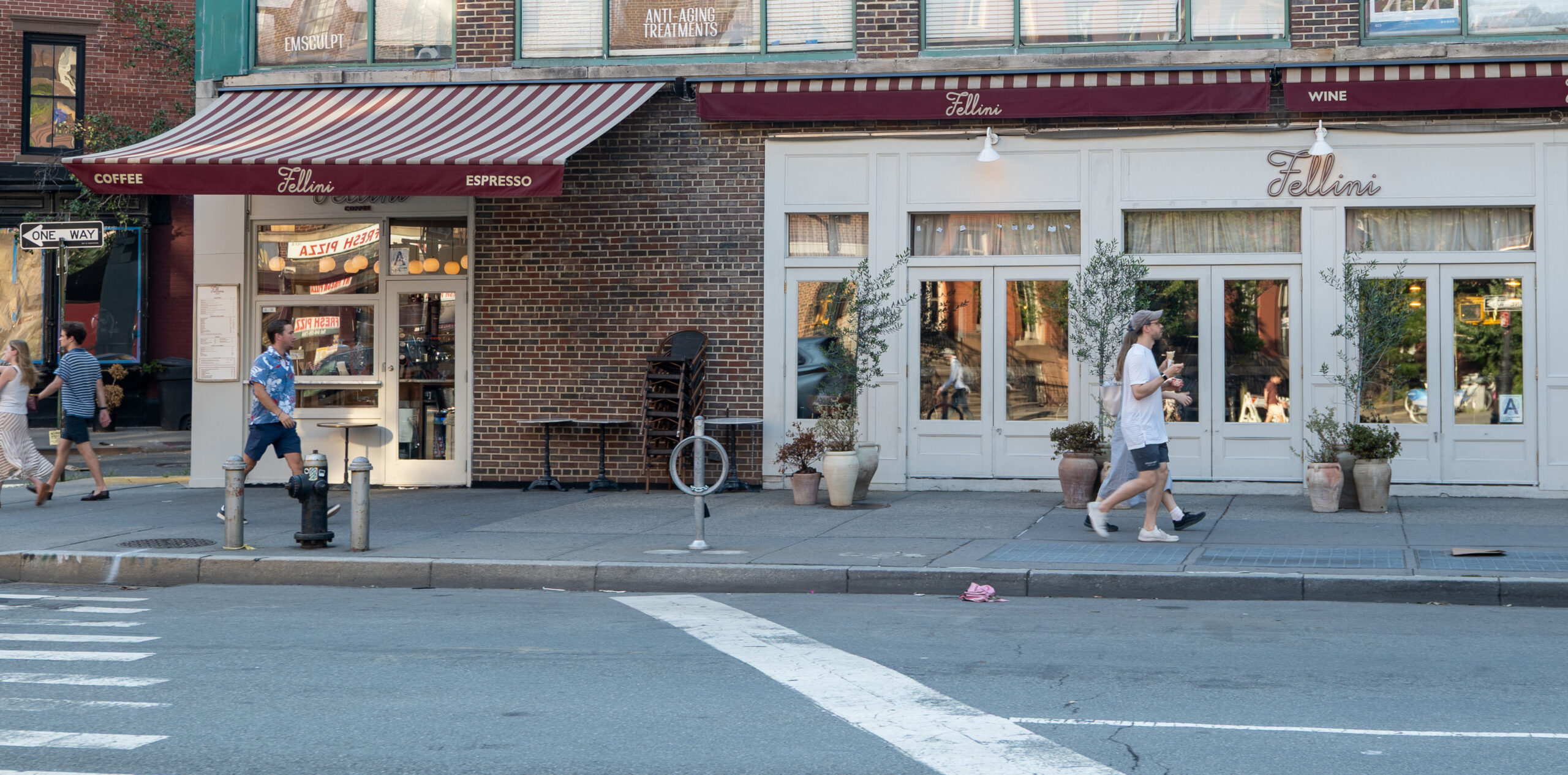
Poss-5 copy A
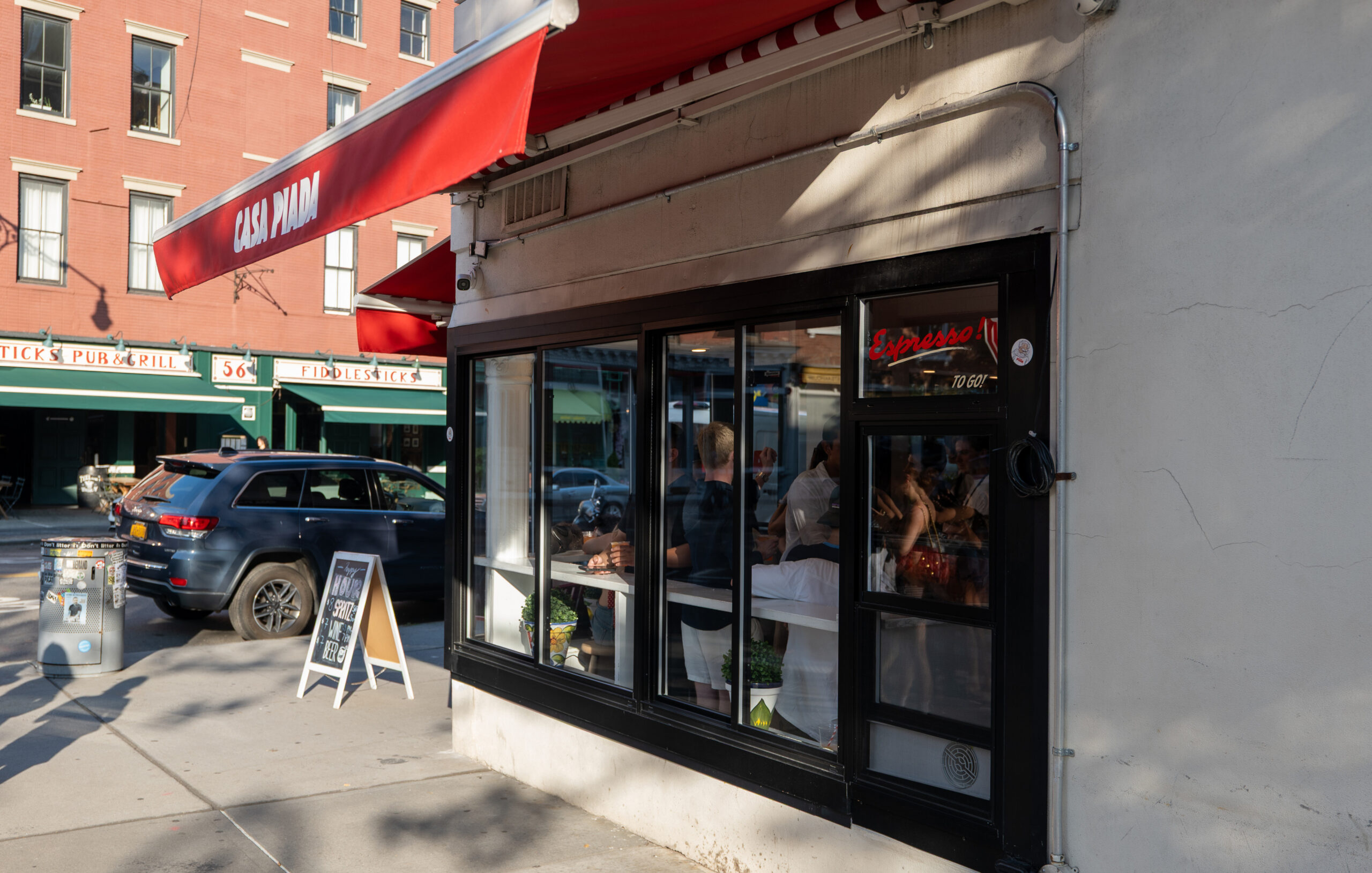
Poss-6 copy A
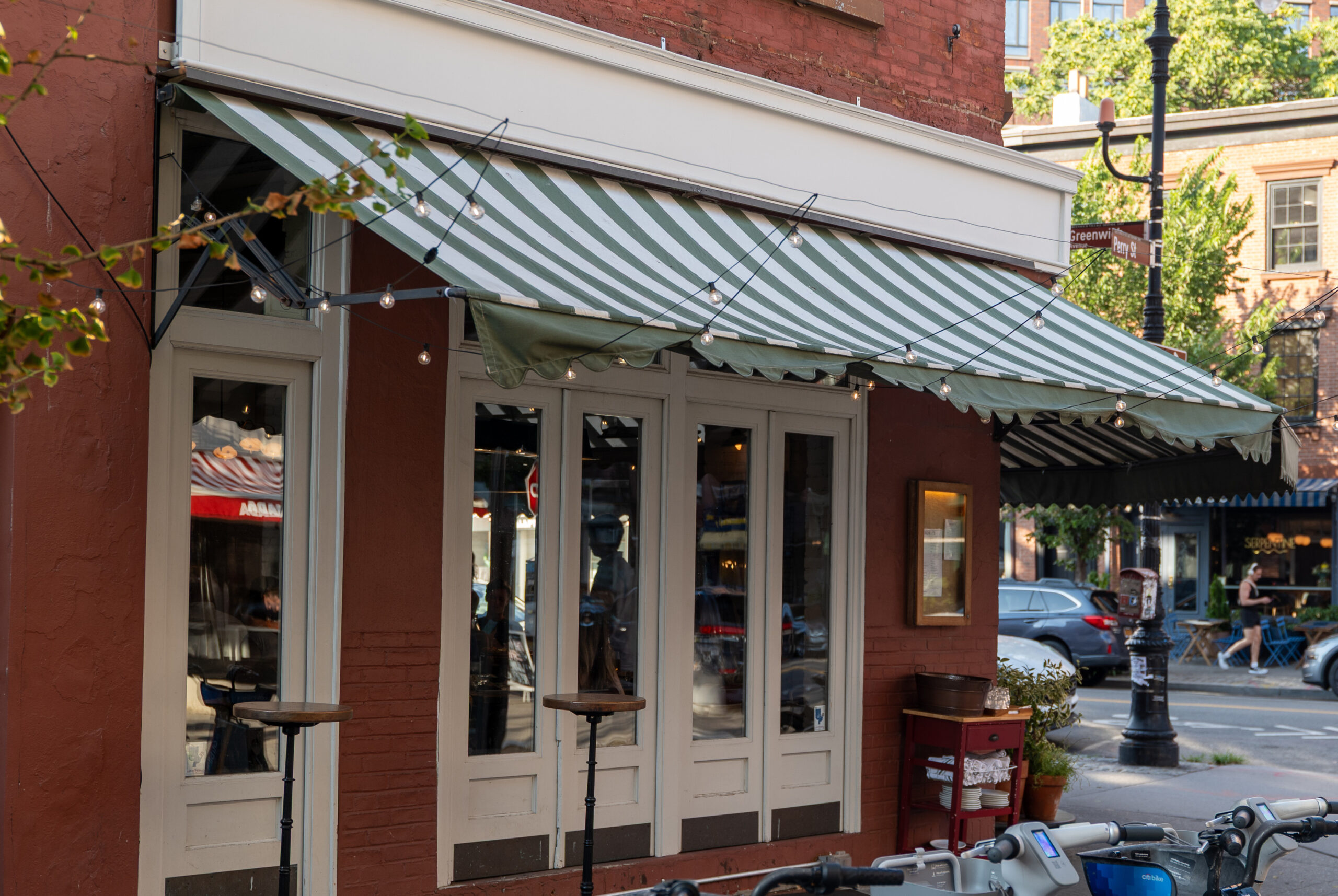
Poss-7 copy A
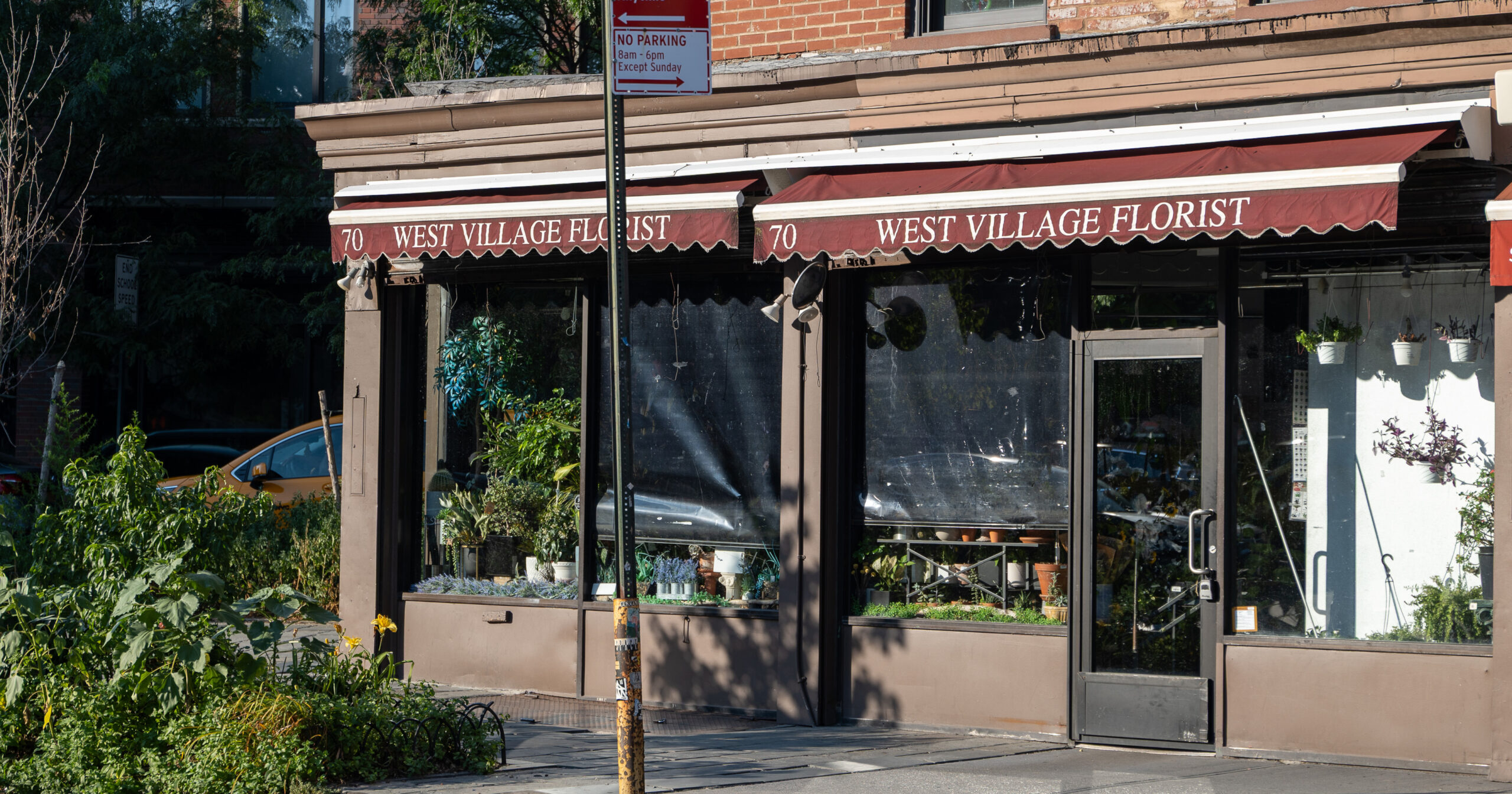
Poss-8 copy A
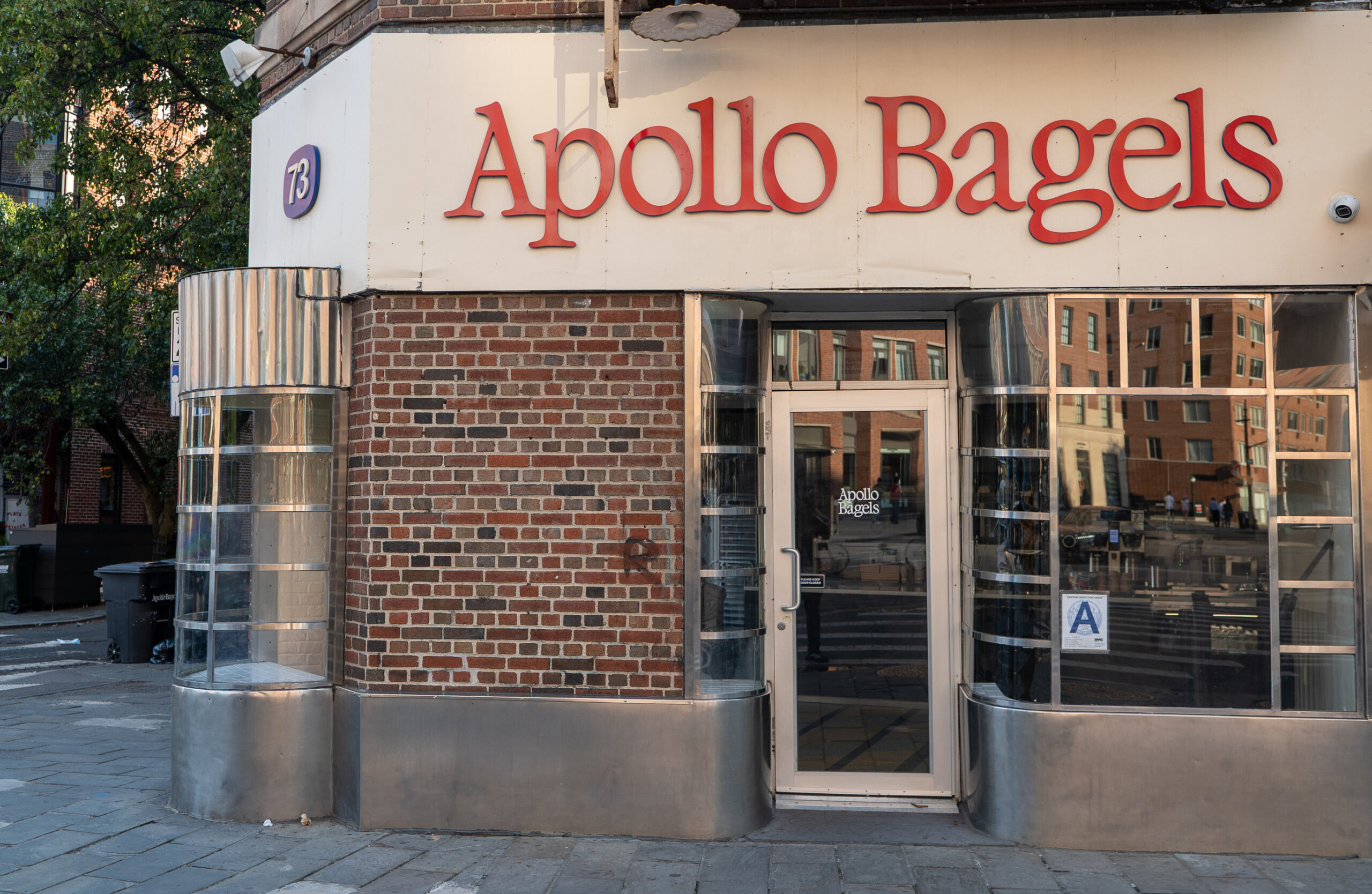
Poss-10 copy A