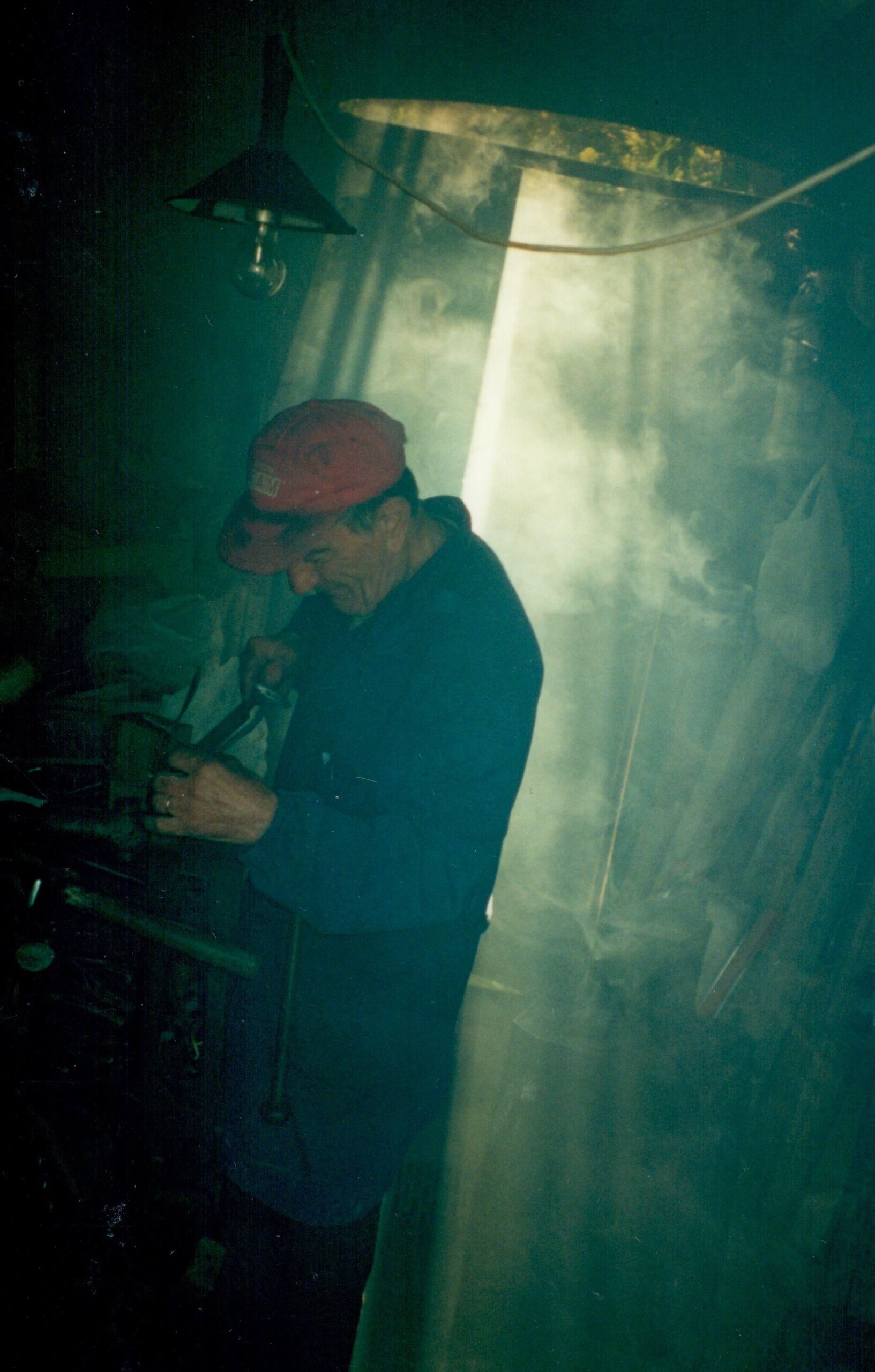
I was bitten by the blacksmithing bug late in my twenties. It was during a visit to a lovingly restored blacksmith shop in Bethlehem, Connecticut, where I first swung a hammer at the anvil, a coal fire crackling at my side. And I was hooked.
In following decades, smithing became a serious hobby. I attended conferences and classes whenever possible, and travelled to different blacksmith shops in order to learn the craft, and discovered an extended family in the blacksmith community.
I had always admired decorative ironwork. It was a feature of New York City’s Upper West Side where I was raised, whether the swirly wrought iron railings of our brownstone stoop or the magnificent gates and grilles of the Central Savings Bank with their attendant battalions of forged dragon heads. These iron creatures were full of personality. They seemed to animate the surrounding air – as if diverted mid-flight from Arthurian legend, they had found a bustling intersection of Broadway and 72st an interesting place to stop and perch.
Samuel Yellin, the master blacksmith, whose company produced this ironwork in 1920 and much of the major architectural projects of the time, said simply, “Iron is a dead material and it is fun to bring it to life.”
In the following photographs, I will share my visit to the Northern Emilia-Romagna region of Italy with Angelo Bartolucci, master of ferro battuto (forged iron), who demonstrated over the course of a week not only how to forge a stem of delicate blossoms from a single piece of iron, but also life lessons, like how to “strike when the iron is hot” and not before.
In a world of rampant tech and A.I., to see a bar of metal heated to butter yellow in fire, then formed over anvil by skilled hammer blows is to experience magic.
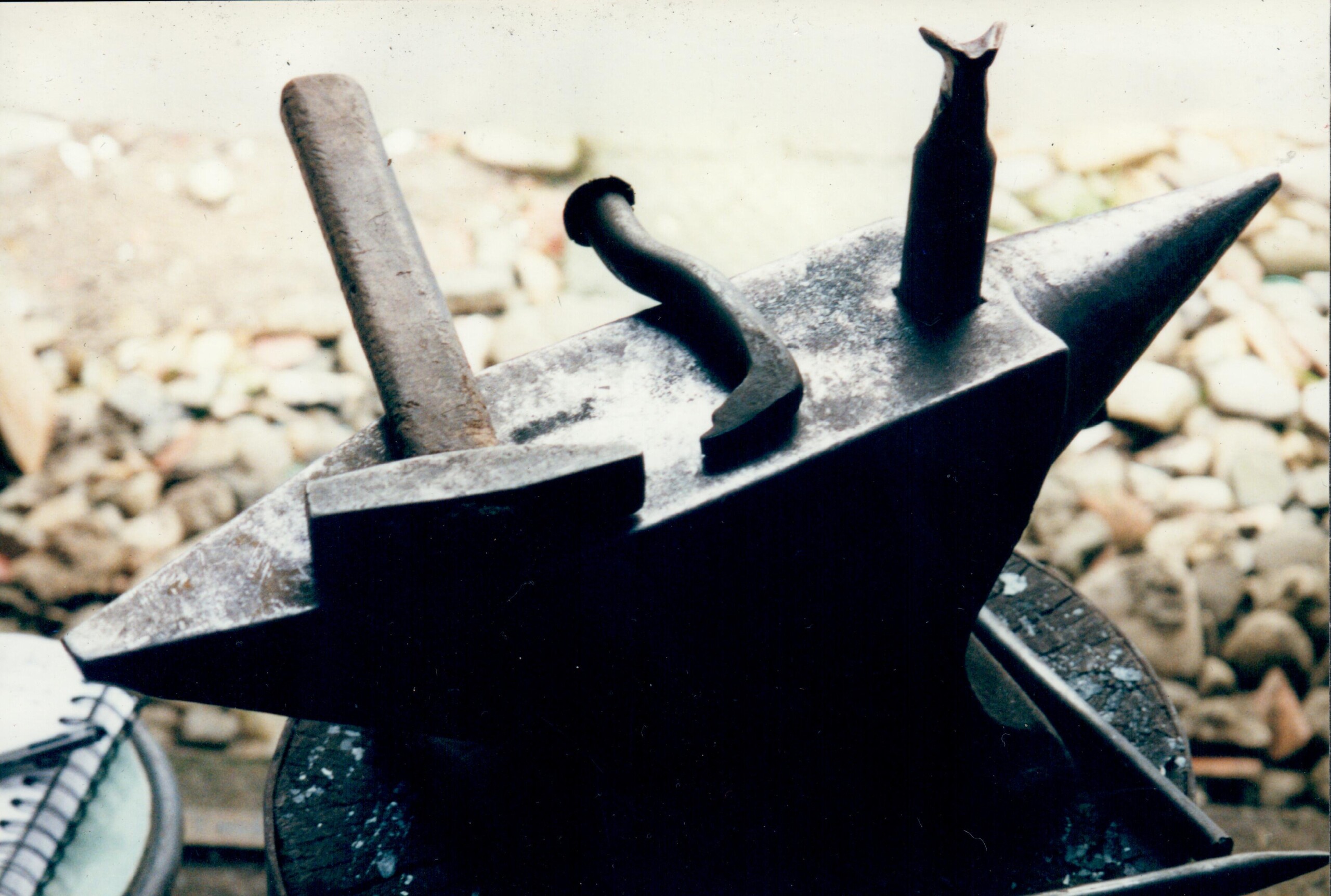
2. Tools
Tools of his trade: Anvil, hammer, and stakes for shaping his flowers.
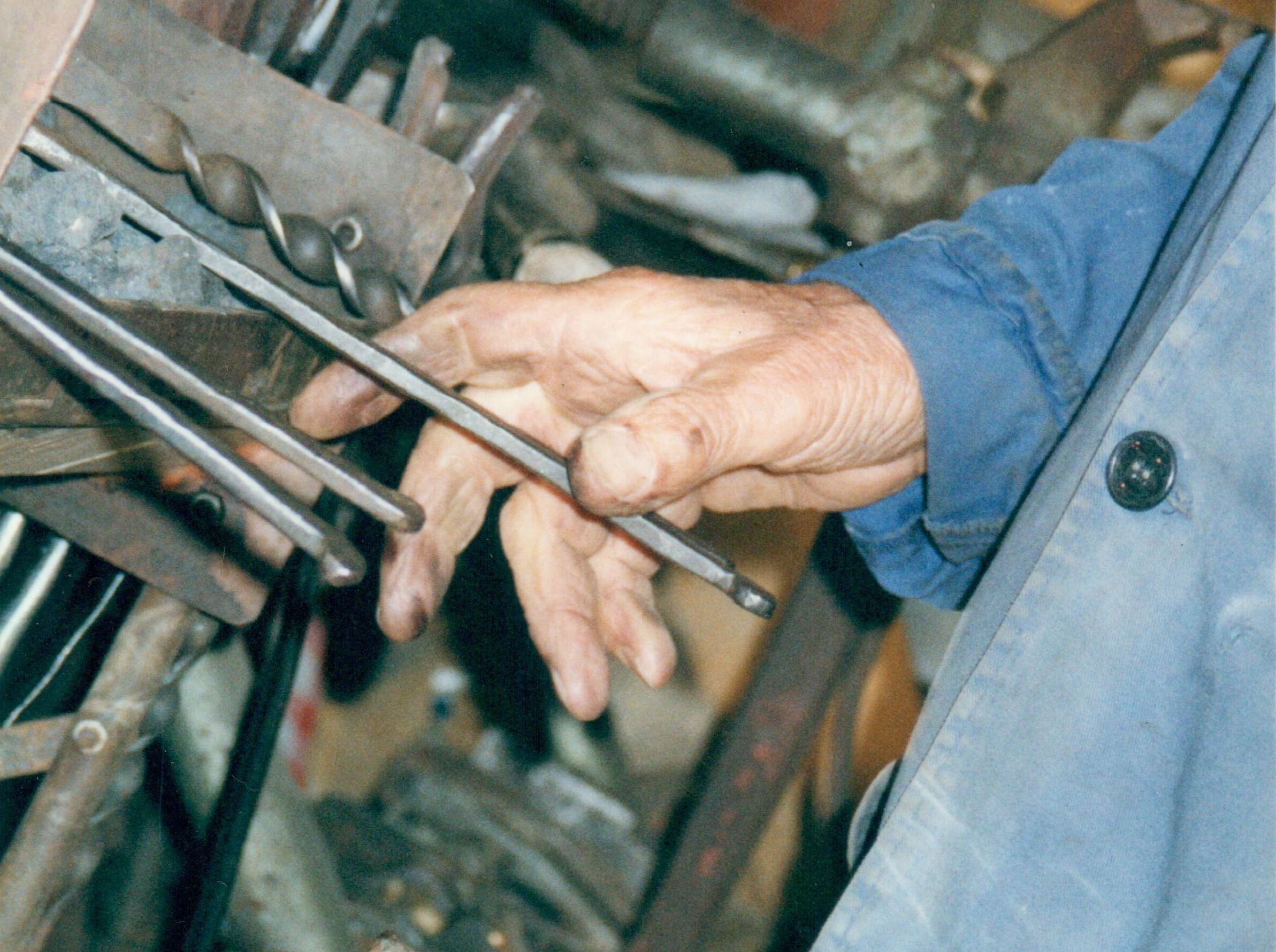
3. Hand
Having had a lifetime of forging, Angelo confessed, “le mie mani sono finite,” which means “my hands are finished.”
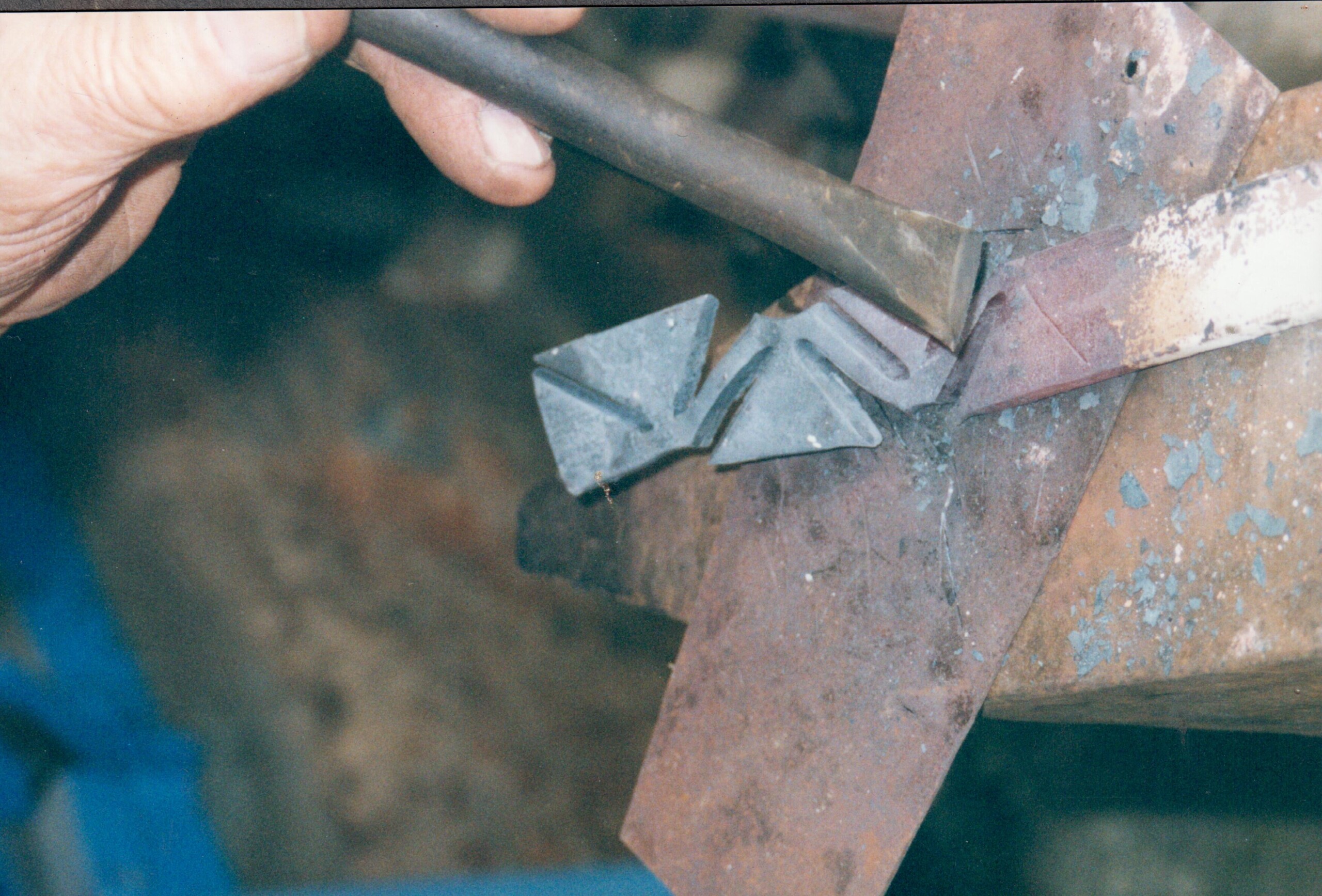
4. First step
The first step to forging the flowers from one bar or iron: cutting with chisel.

5. Forging the Stem
Forging out the stem between the blanks that will become the flowers.
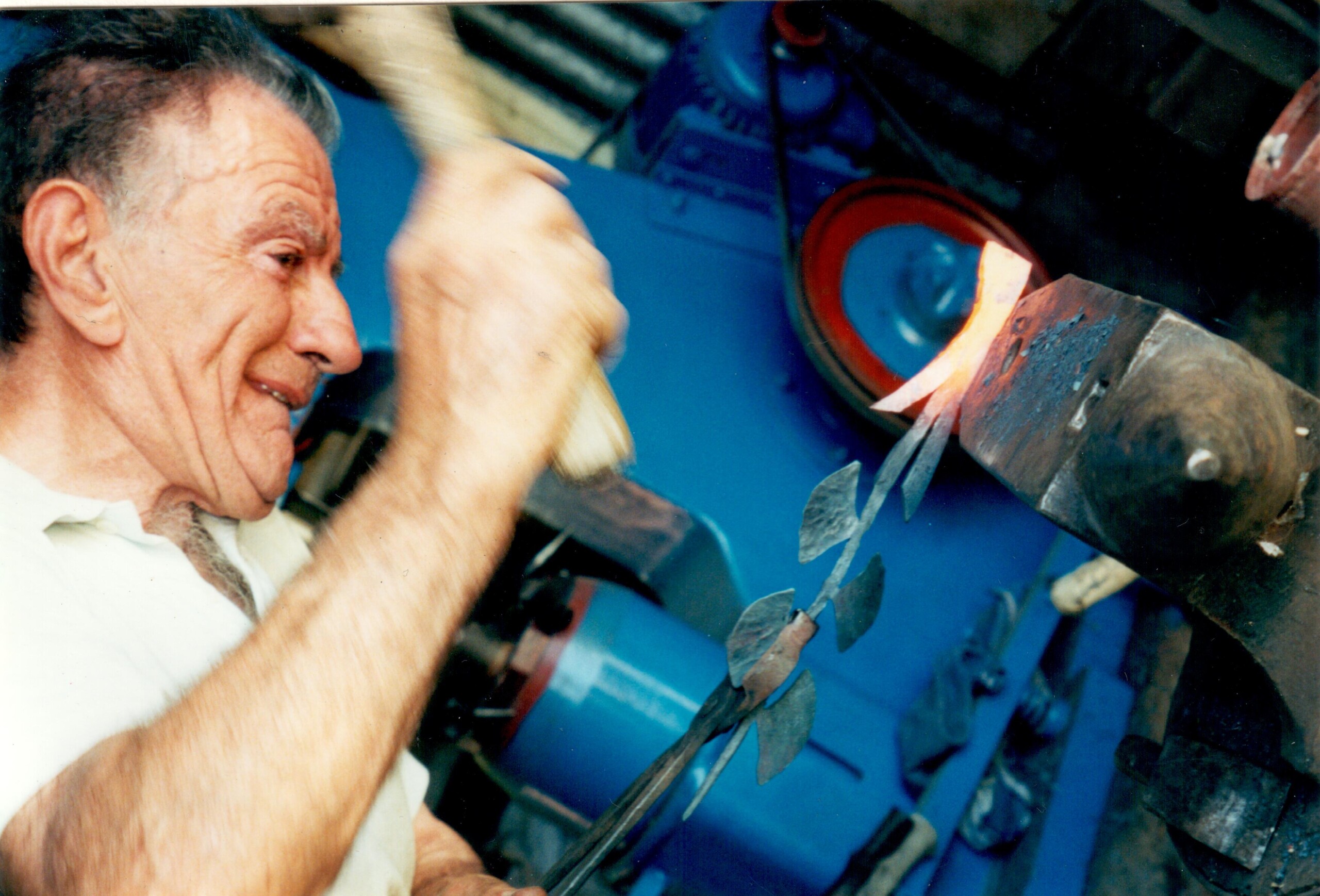
6. Angelo forges the leaves
Angelo forges the leaves at the bottom of the stem, and the flower blanks have had their first hammering.
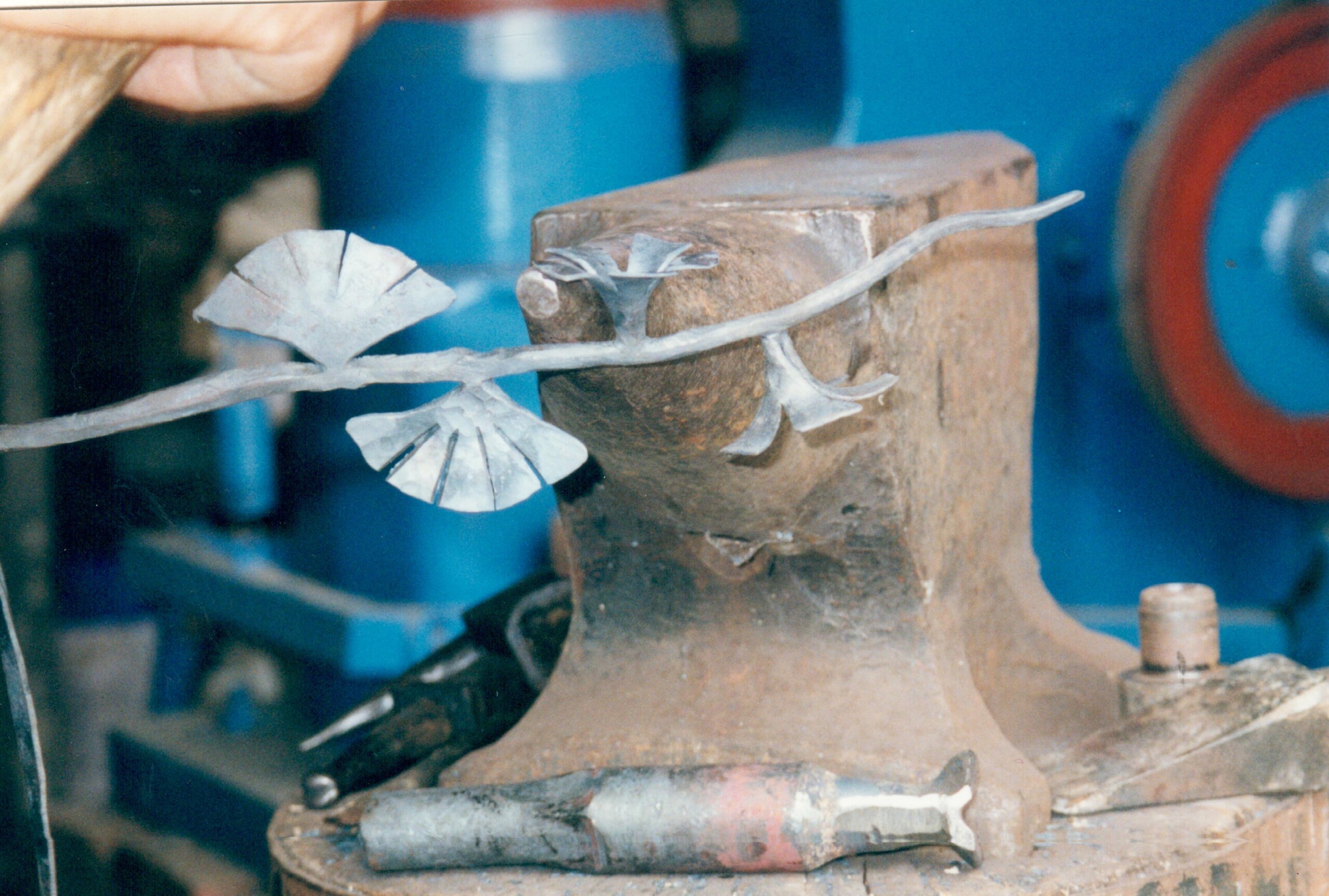
7. Curving the petals
Curving the flower petals over the bick of the anvil.
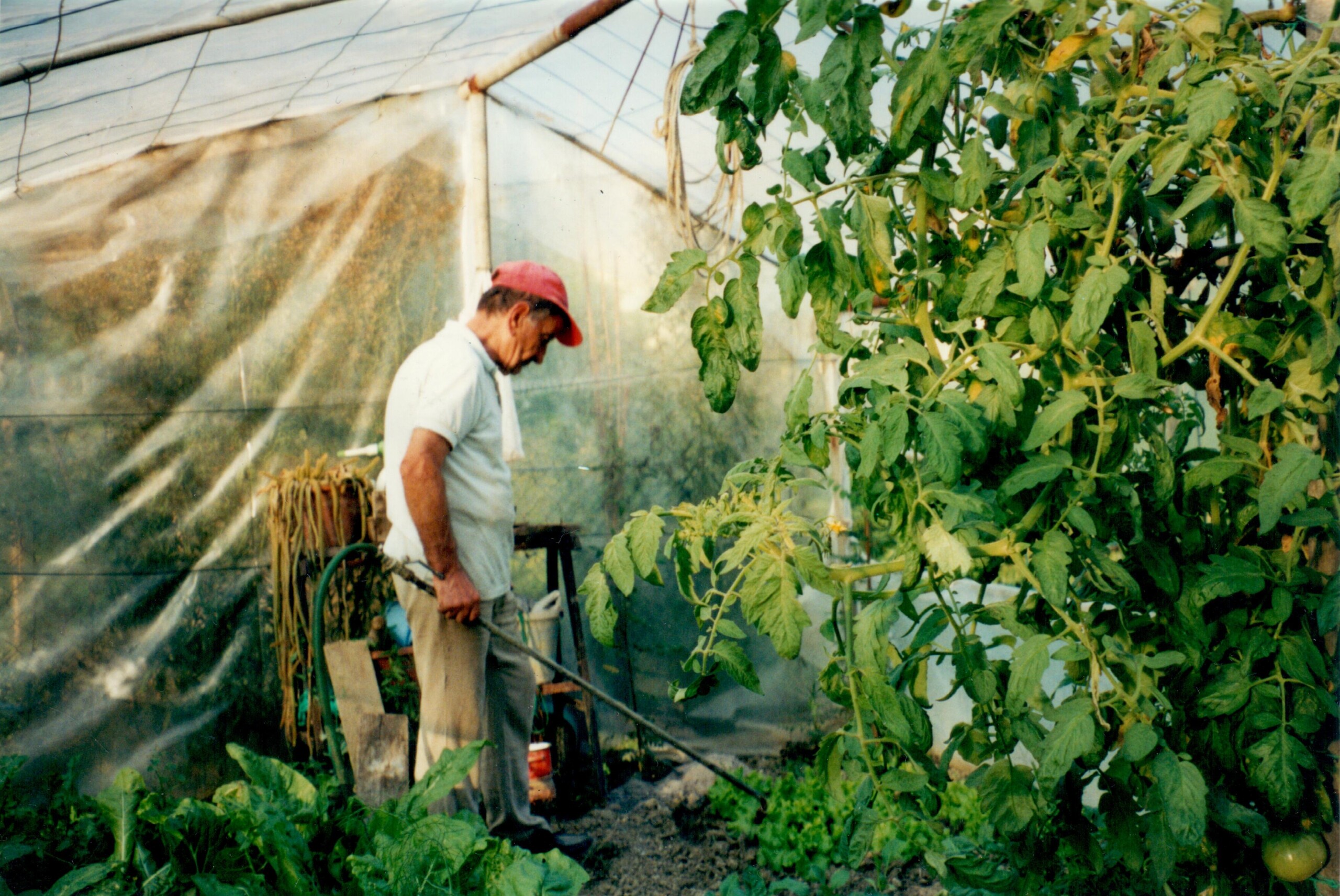
8. Watering the garden
“Piano, piano!” Slowly, slowly! Typically students tend to rush, so Angelo takes me to water the garden which is just outside the forge, as the bar of iron takes a heat.
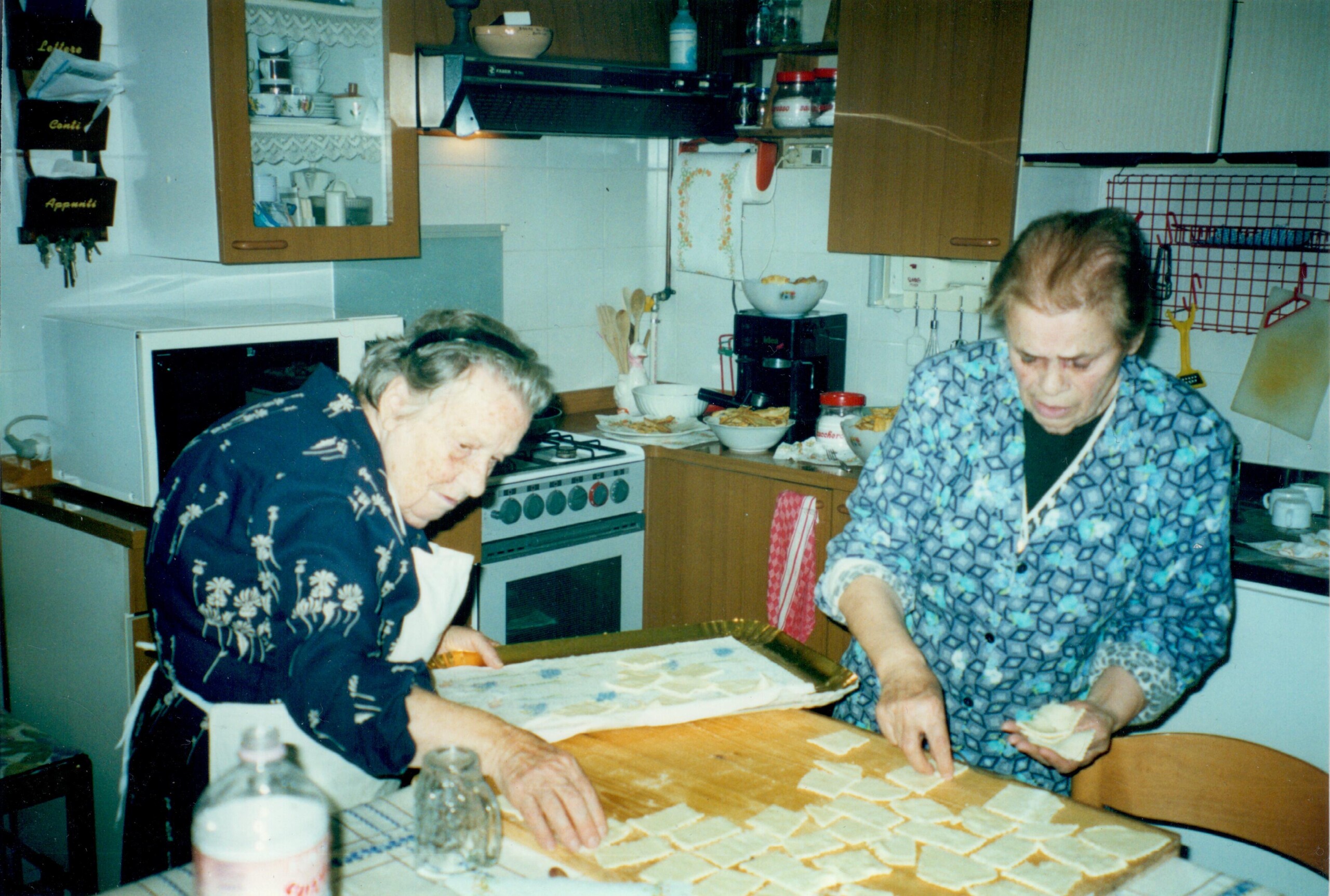
9. Making Cappelletti
Going into the house for a coffee break, Angelos’ wife, Angelina, makes cappelletti, a pasta dish, with a family member.
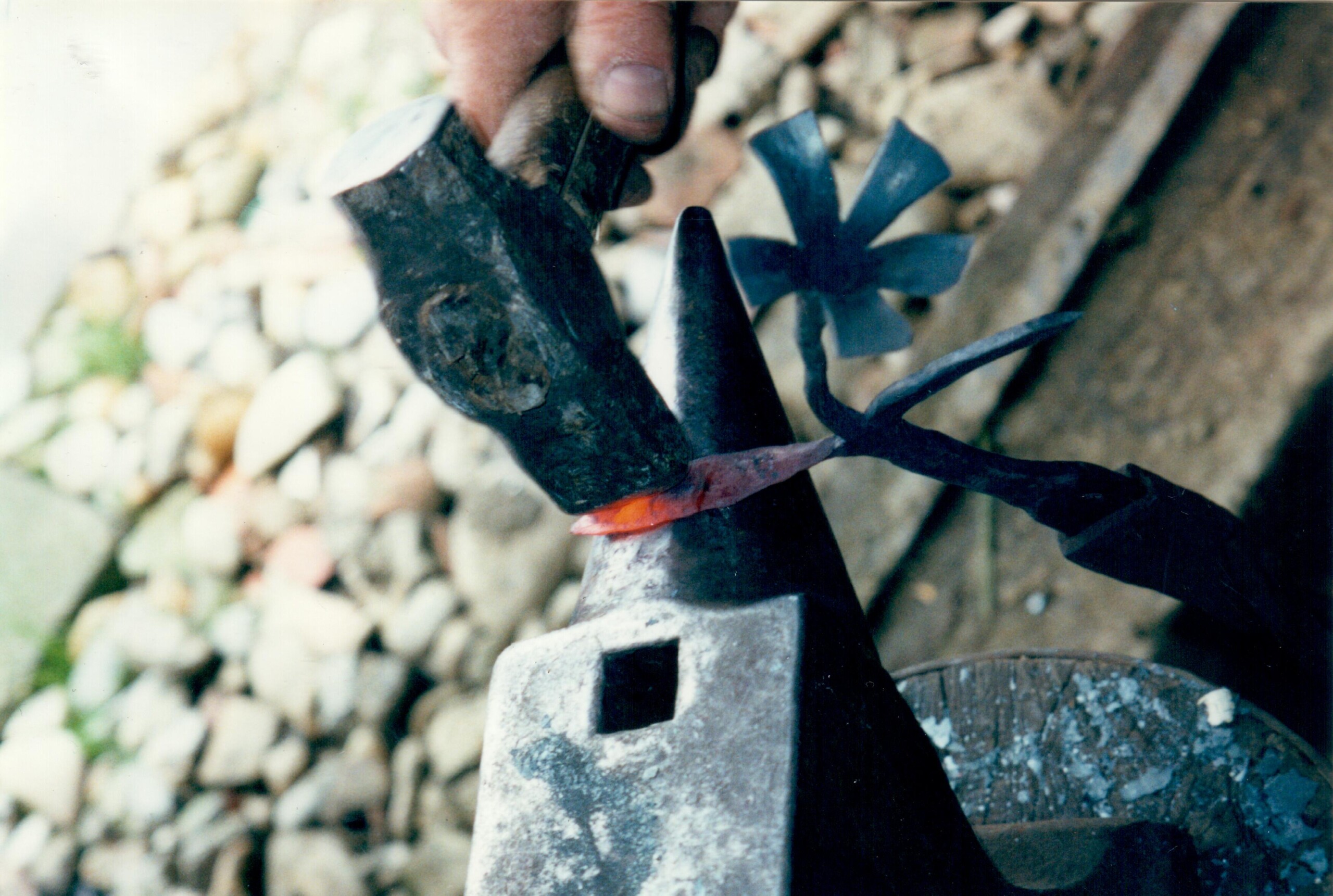
10. Forging another leaf
Forging another leaf.
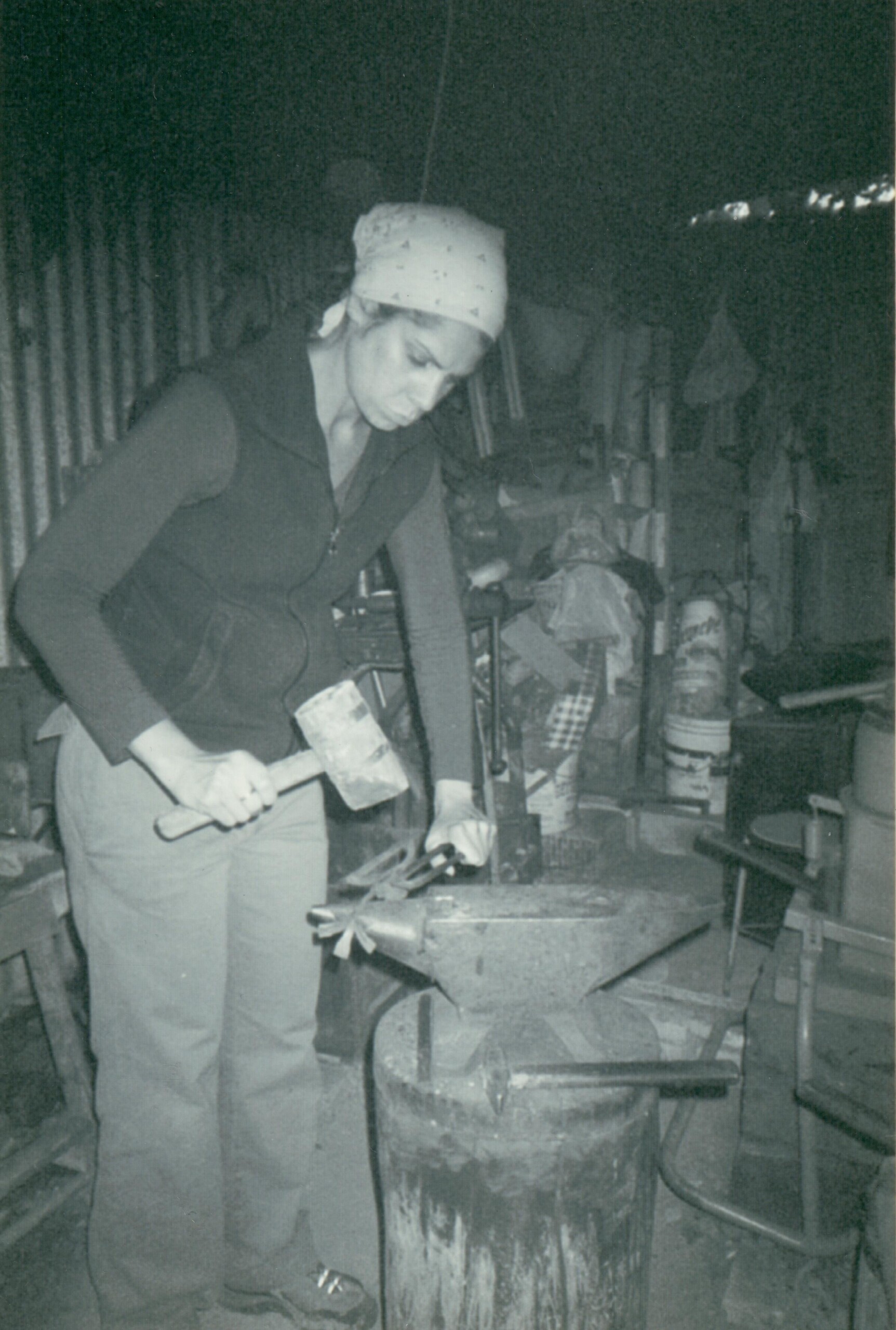
11 . Betsy at the forge
Forging my first flower.
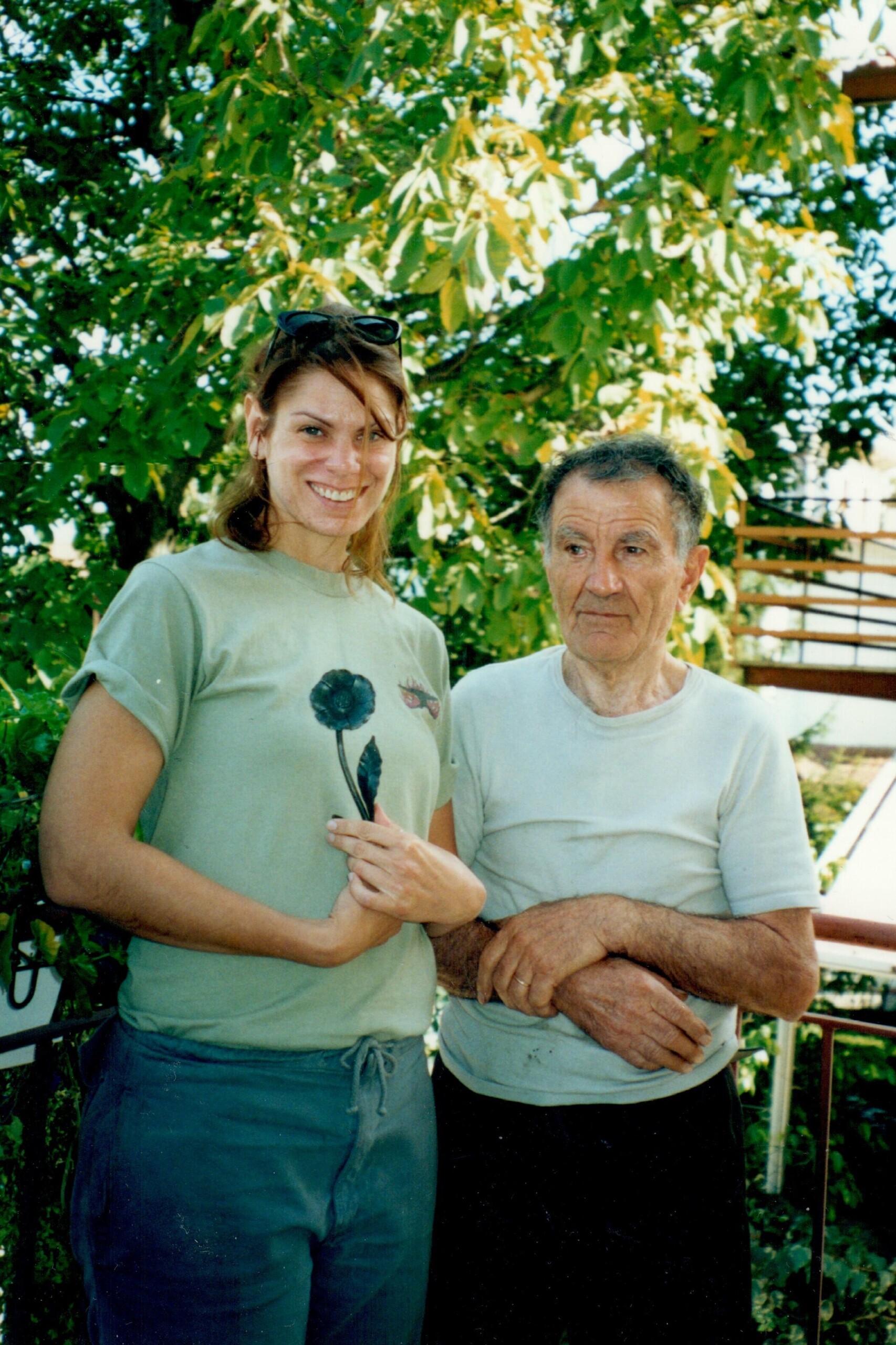
12. Birthday Poppy
Angelo gives me a poppy he has forged for my birthday.