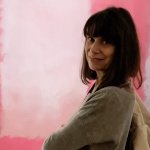
Life is a dot-to-dot. After graduating from an East Coast university in 1987 where I studied journalism, I found myself moving to a far–flung pinpoint on the U.S. map, the town of Cody, Wyoming, some 50 miles from the eastern border of Yellowstone Park. It was here that I had secured an internship on a bi-weekly local newspaper called The Cody Enterprise.
My experience was hands-on, in every sense of the word: writing, photography, even old-style cut–and–paste page layout and ad design. I covered a range of events from forest fires and mudslides to one man’s ride from Winona, Minnesota to Cody on a horse named Solid. I covered the Labor Day Rodeo, and watched tumbleweed sweep through a ghost town.
The newspaper I worked for, and the town itself, were founded in 1899 by Colonel William F. Cody, best known under his nickname “Buffalo Bill.” Although I knew about this history while in Wyoming, I only learned later how important a figure Cody was.
By 1889, his “Wild West” show had made him, by many accounts, the most famous American in the world; this was confirmed when the revue was included in Queen Victoria’s 1887 jubilee during its European tour. It continued touring well into the early twentieth century, even stopping in Flers, our local town in Normandy!
The show featured real cowboys as well as some 100 Native Americans, plus a stampede of buffalo. These beasts, numbering less than 20, had become nearly extinct in the American West due to their wholesale slaughter to make way for the railroad. The show was instrumental in creating international public support for these magnificent animals and helped to reestablish the breed. The herds are now protected in Yellowstone National Park, where I was lucky enough to see them.
The Wild West Show famously promised “a year’s visit west in three hours”. My internship as a cub reporter on the Cody Enterprise carried me through three months of Autumn, freeing me before the heavy snow of winter.
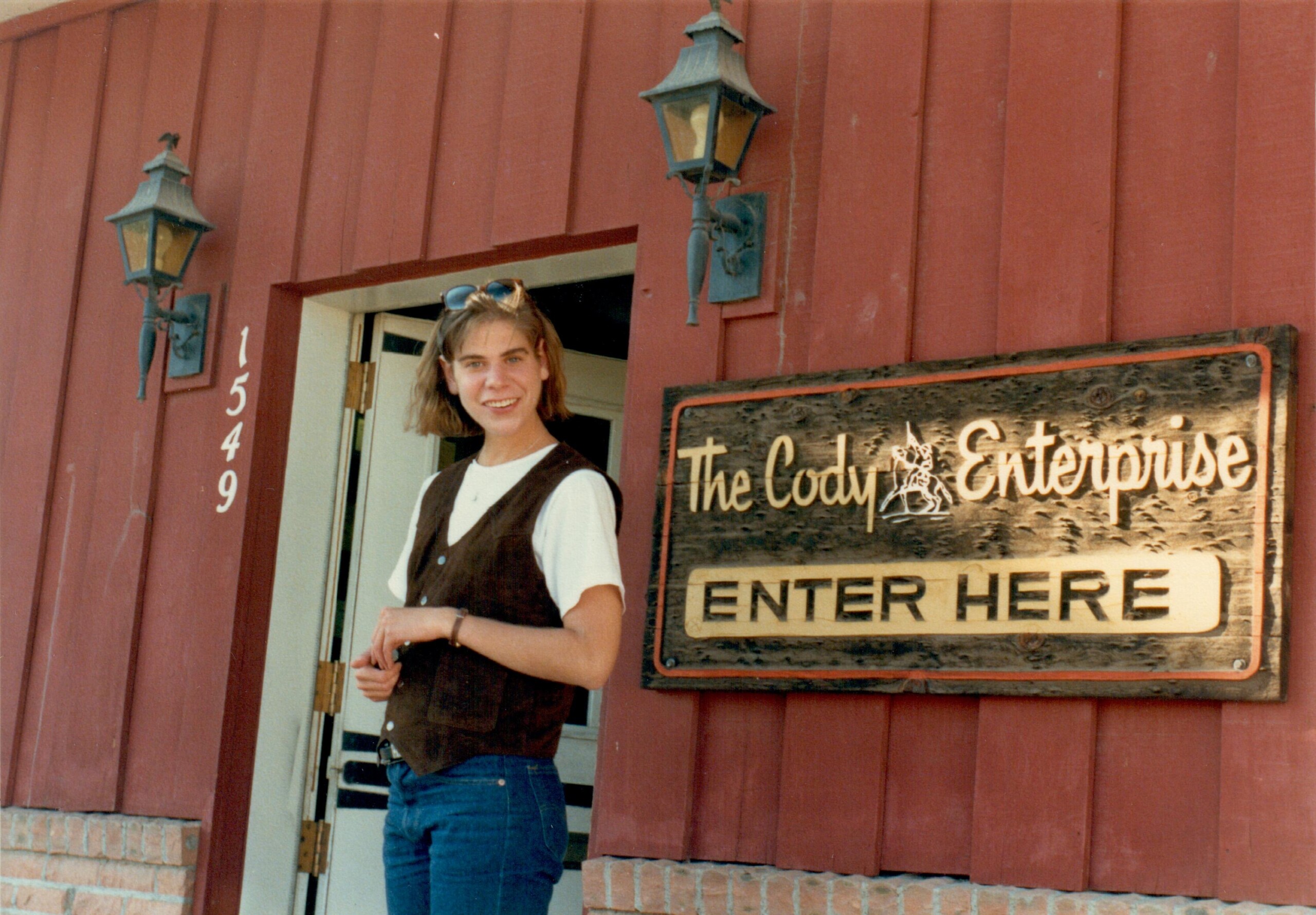
1. The Enterprise
A far cry from Times Square, I interned as a cub reporter on The Cody Enterprise, founded by William “Buffalo Bill” Cody in 1899.

2. Rope
This cowboy and his Quarter horse are a study in intuitive teamwork and speed. In the tie-down roping event, a calf races from the chute and, in a matter of seconds, is roped, felled, and tied.

3. Brahman
A conclave of Brahman bulls await the ring. For rodeo use, bucking bulls are usually a Brahman crossed with another breed. Ill-tempered and weighing 1,500 pounds or more, a bull is selected for its tendency to "leap, plunge, and spin" when a human is on its back.
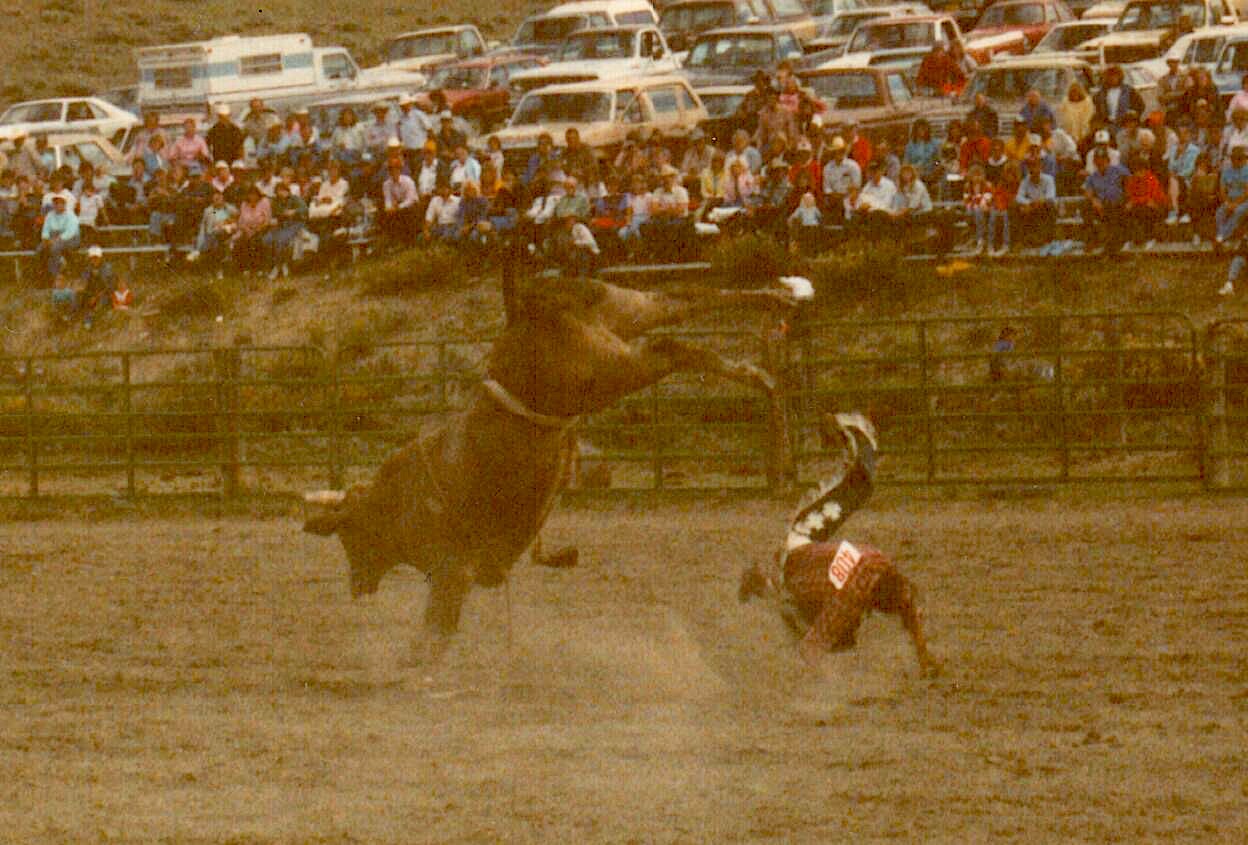
4. Bucking Bull
American bull riding has been called "the most dangerous eight seconds in sports." To receive a score, the rider must stay on top of the bull for eight seconds, holding on with one hand to the bull rope, which behind the bull's forelegs.

5. Rodeo Clown
The bravest man in the show, the rodeo clown, has to distract the bull after it has thrown off its rider, putting his own life on the line to rescue the cowboy. Rodeo clowns date to the beginnings of competitive rodeo in the early 1900s.

6. Young buck
Steer riding aims to introduce young people, usually between the ages of seven and fourteen, to the rodeo life. Steers are immature male bovines that are smaller and generally less aggressive.
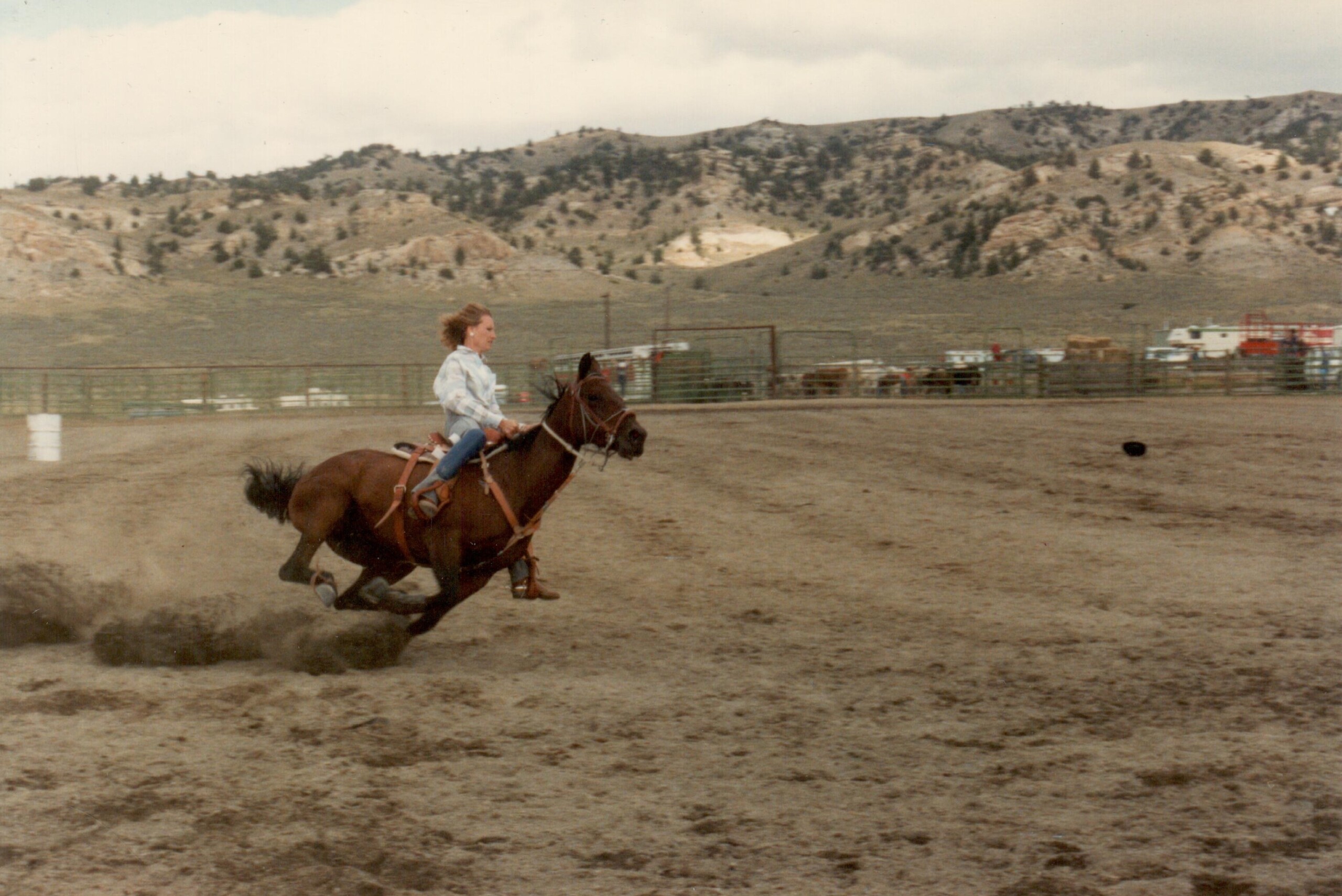
7.Barrel Racing
It was not until 1948 that a group of women from Texas got together to establish a place for women in the wider sport of rodeo, and professional barrel racing was born, in which horse and rider attempt to navigate a cloverleaf pattern in the fastest time without toppling any barrels. When first begun, barrel racing involved a figure-eight pattern.

8.Cowgirl
Approaching the barrel-racing course.

9. Chaps
A personal touch adorns the leatherwork on this cowboy’s chaps as he prepares for the bucking bronco ride. He gathers himself for the moment the chute door will open.

10. Glance
A side glance from a cowboy is worth a thousand words.
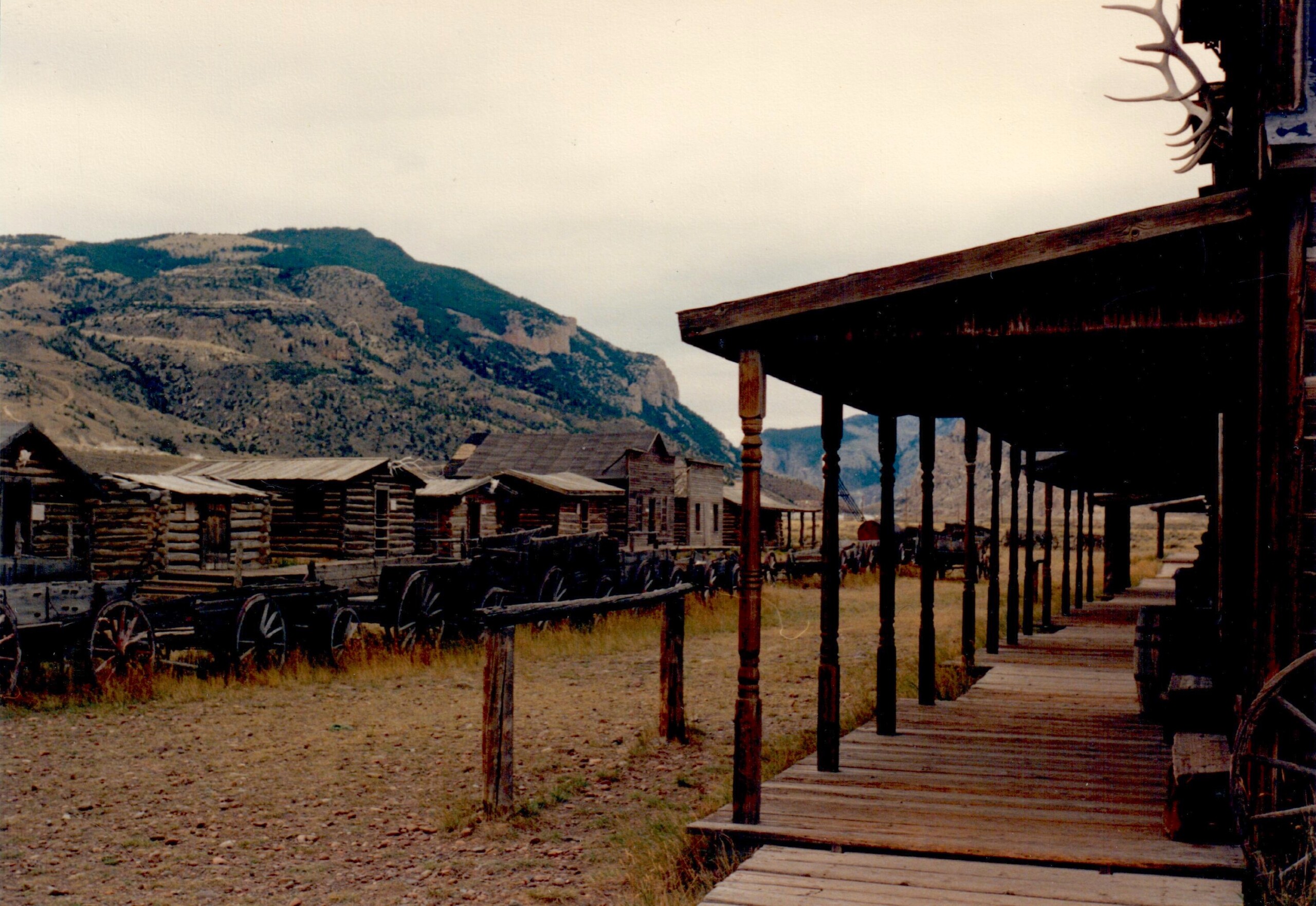
11. Old Trail Town
Old Trail Town, an original ghost town, is an outdoor frontier museum.

12.Hawkeye
My turn to play cowgirl, riding India, the Appaloosa mare, at the Hawkeye Ranch.