
I remember food, or I think I do. Tastes of raspberries in Wales, picked fresh that morning on the farm near our little rental cottage and left with a sign, “Take what you need and leave the money here” next to a little cardboard box.
I remember my first taste of oysters (doesn’t everyone who encounters that odd little puddle of the sea in a shell?) and asparagus (my mother masked it with hollandaise and we children were won over to vegetables) and what I took to be, long ago, grilled dog livers on skewers in Piraeus served with hot mustard. Hey, dog or no dog, after twelve hours on a rumbling ferry with no food, we would have eaten groundhog livers.
And then there was the time — I, a young, inexperienced bride on a honeymoon in Paris — that my then-husband and I went to a tiny, quite famous restaurant where I ordered the Périgord truffle in brioche, whatever that was.
Ah, what folly. You cannot imagine the look on the chef’s face as he peered from the kitchen to see what idiotic creature had labeled his creation burned! Little did I know that truffles were black jewels that grew even blacker when encased in a perfect, buttery creation, the likes of which I’ve not tasted again.
Such naivete — so full of oneself at that young age when words like coulis and feuilleté and glace de viande were unknown in America, or rather only known in places like New York or San Francisco.
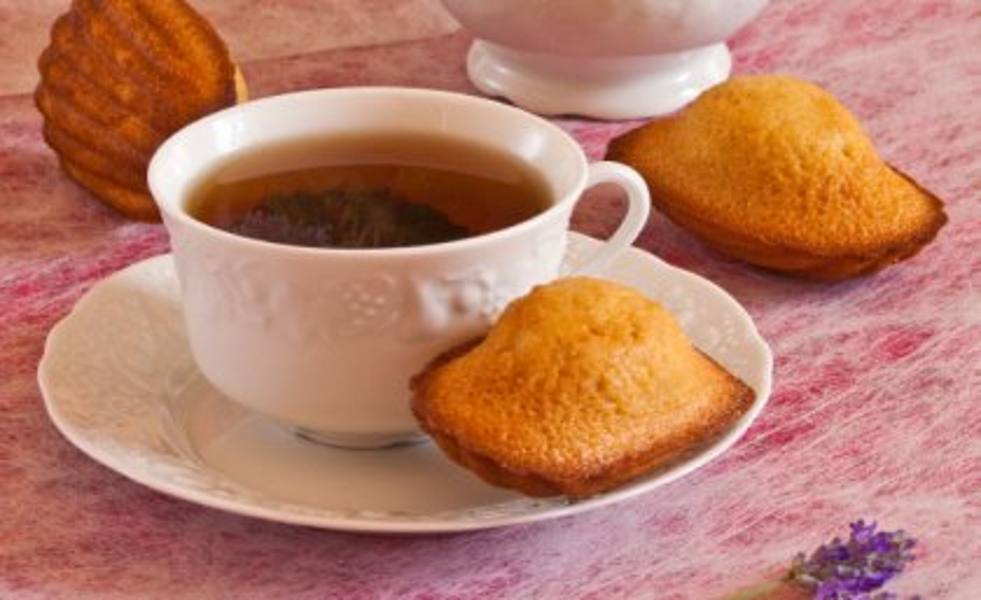
Tastes are our Proustian madeleines that, when experienced, bring back chains of memories from a special lovely event or a fraught evening, full of pain, or a disastrous dinner party. . . .
I thought that knowing how to stuff a Cornish game hen and make pommes de terre dauphinoise would certainly give me a leg up on exotic cuisine, but new tastes were coming at me right and left and there was no choice but to make them happen in my own tiny apartment kitchen. I was only nineteen after all, but I found ready guinea pigs, starving students who loved coming over for whatever experiment I was into that day. My serious bread-baking started after I had tasted Anadama bread made with a base of cornmeal, flour, water, and yeast, a bit like a levain, or starter.
I think it was this bread, made for my fiancé’s papa, that won my eventual place in the family, that and a hot pepper jelly to go with lamb that seemed to really push him over the edge!
Tastes are our Proustian madeleines that, when experienced, bring back chains of memories from a special lovely event or a fraught evening, full of pain, or a disastrous dinner party at which one’s canard Montmorency flew off the platter and into the plate-glass window of the dining room, leaving eight dinner guests with their mouths open and my white crepe evening garb splattered with cherry juice, like blood on snow.
And oh, the tastes of food by the sea, from the sea. I remember small, split lobsters, just caught and cooked on small grills in the streets of Rosarito in Baja — no red-clawed crustacean will ever taste the same even if prepared by Ferran Adrià himself. The soft breeze of summer, the beach still warm from the day’s sunbath, tortillas made by hand in which to lay the lobster and dress with lemon and olive oil — I can still taste the charred edges of the tail meat, crispy and sweet.
Food memories so clearly are the demarcations of periods in one’s life. I have a clear picture, when babysitting in my teens, of scooping what was called Pablum off the corners of babies’ mouths and back into their buccal cavities before they could turn the bowl upside down on their heads, or mine. From that delicious smell of baby food (my mother said to mix it with a little butter and salt; what’s not to like?), I have always adored oatmeal and grits and cornmeal mush and all purées made with just about anything. Thank you, babies.
Later, in the Cornish game hen era, I became (or thought I did) a sophisticate, a kind of early foodie, even while relishing the simple baked potatoes at the Night Hawk in Austin, Texas, where all the students from the U of Texas made dinner out of that lonely spud, filling it with chopped green onions, bacon bits (real ones), sour cream, and grated cheese, all included in its very low price.
My assumed worldliness shattered when I traveled to Europe and experienced the tastes of France and Italy, and even the newspaper-wrapped fish and chips of England (when the fish was still real cod instead of hake) were as exotic to me as the dishes I eventually came to know from living and cooking in three countries.
How bereft I would feel without the smells and tastes of my own kitchen’s bounty. And how good it feels to be the cook who just might, with luck, be the creator of someone else’s sweet memory.
