
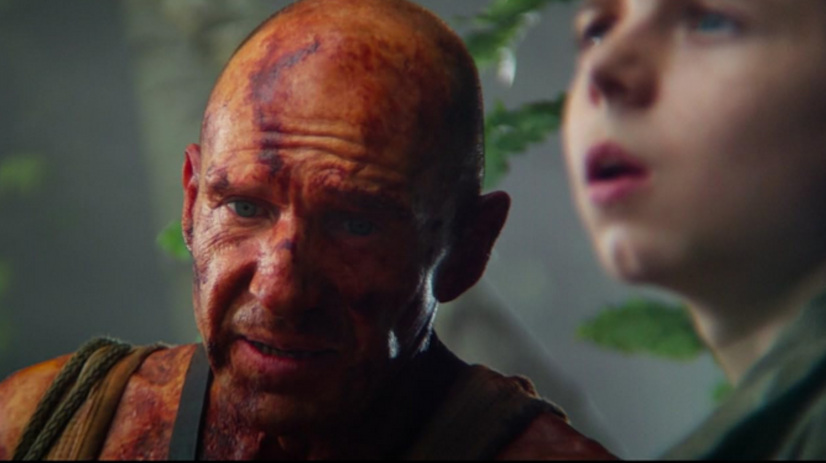
Films and TV series about zombies are all the rage these days. The extraordinary success of the cable series “The Walking Dead” — which lasted 11 years and spawned a beloved multicultural cast of diehard zombie-fighters — illustrates the viewing public’s insatiable appetite for tales of gory, gurgling, and misshapen creatures intent on wiping out humanity for good. However, the underlying premise of zombie-ism has shifted dramatically over the years, and it continues to evolve.
In the late 1960s, when George Romero’s “Night of the Living Dead” first appeared — spawning impressive sequels and one hilarious spoof, “Shaun of the Dead” — zombies were depicted as living humans who had died and mysteriously re-awakened, usually within minutes. Their relentless, if somewhat bumbling, reign of terror on the living had social overtones, sometimes racial, implicating prospective victims as “oppressors” who might well have deserved to die.
But there’s a contrasting story-line in some of the more recent zombie productions: The zombie menace is usually traced to a disease outbreak (typically a virus) that has infected humans and is spreading mysteriously. The zombies aren’t reawakened from the dead but simply transformed through an internal ravaging of their bodies and minds for which there is simply no “cure.” This seems to fit the current COVID era — and the generalized concern with global pandemics of various kinds — quite nicely.
“28 Years Later,” the third installment in a series that began in 2002 with “28 Days Later” and continued in 2007 with “28 Weeks Later,” exemplifies the current zombie film genre, but there’s a further twist. These zombies don’t limp and lurch, allowing their victims to flee them with relative ease. No, they actually run. In fact, they often sprint, and their targets can be easily overtaken and munched. The new zombie mise en scène also features a level of violence and gore not seen in earlier franchises: Heads and spines are ripped off or out of their bodies, and blood and guts sprayed and splattered graphically, like geysers. Of course, for the latest generation of zombie enthusiasts, the amped-up gore and pace of the attacks, sometimes accompanied by a zany musical soundtrack, are part of their appeal; it’s the “high” they offer. These films aren’t just the “Running Dead,” they’re more like a zombie version of “Fast and Furious.”
For those seeking something resembling genuine character development and a storyline beyond a zombie action film, “28 Years Later,” much like its predecessors, is likely to disappoint. In the foundational 2002 film, starring a young Cillian Murphy — perhaps one reason alone to watch it — a “rage” virus spreads and threatens to decimate all of the UK and Europe. In the sequel, NATO forces seek to establish a safe zone in London, but a security breach leads to a second mass outbreak, and a new zombie apocalypse looms.
Despite its title, “28 Years Later” doesn’t really build on these precedents. The continental threat has been vanquished, but a small community of survivors living peacefully on a large island separated from the English mainland by a causeway suddenly comes under siege. The cast is new and unfamiliar — and only one stands out. Ralph Fiennes, the one-time stage actor who first made his name in award-winning films like “Schindler’s List” (1993) and “The English Patient” (1996). Worn, wizened, and dressed in a simple monk’s cloak, he resembles Obi-Wan Kenobi from the “Star Wars” universe. But even his depth as an accomplished thespian can barely raise the level of acting in “28 Years Later,” which looks more like a modernized version of a Western, a film replete with the spectacle of chases across vast landscapes and zombies dispatched long-range by bow and arrow. The body count is high, and with so little attachment to individual members of such a large ensemble cast, other than Fiennes, who often seems to mumble his lines, a viewer is hard-pressed to know who to root for.
Have zombies been subdued at last? No, a sequel to “28 Years Later,” with even more mayhem, is already planned for next spring. Despite mixed reviews, the industry is intent on keeping this seemingly endless franchise alive. Killing off zombies, it seems, is much easier than killing off zombie films.
